nissan warning malfunction see owners manual
Nissan Warning Malfunction: A Comprehensive Guide
Understanding the enigmatic “See Owner’s Manual” warning requires diligent investigation, as Nissan’s dashboard indicator lights offer crucial insights into vehicle health. This guide illuminates the meaning behind these alerts, referencing Nissan’s official documentation and recent recall notices as of December 11, 2025.
Understanding the “See Owner’s Manual” Warning
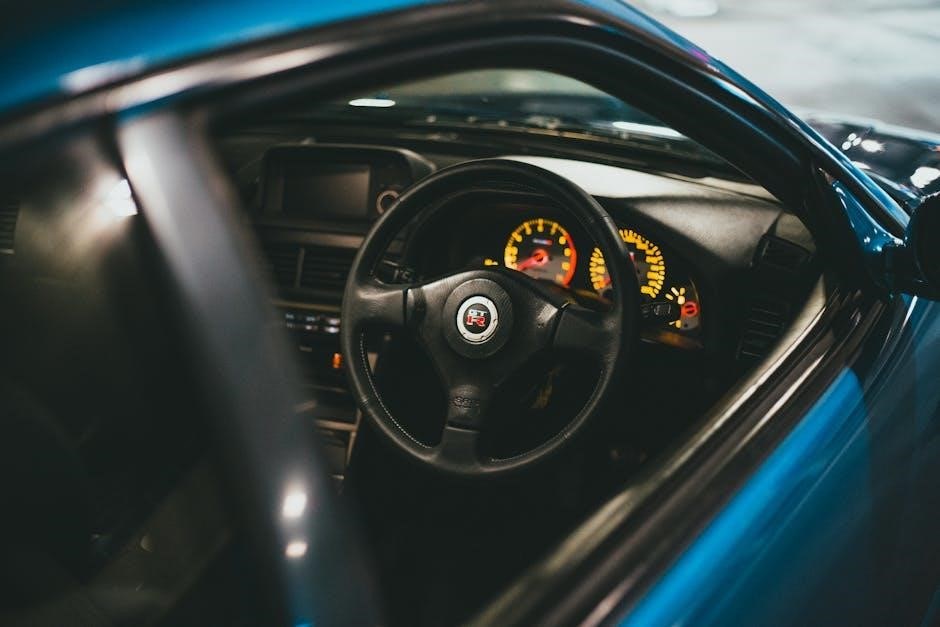
The “See Owner’s Manual” warning, a seemingly vague message, frequently appears on Nissan dashboards, prompting owners to consult their vehicle’s comprehensive guide. This indicator doesn’t pinpoint a specific problem; instead, it signals that another warning light is illuminated, requiring further clarification. Nissan employs color-coded indicator lights – red, yellow, and green – to convey severity levels. Red signifies immediate attention, yellow indicates a potential issue needing inspection, and green confirms system operation.
Often, this warning accompanies issues related to engine malfunctions, brake system concerns, or electrical faults. Recent reports (December 11, 2025) highlight potential problems with Nissan Connect and forward driving aids, sometimes triggered by sensor blockage. The owner’s manual provides detailed explanations of each warning light, troubleshooting steps, and guidance on when to seek professional assistance. Ignoring this warning could lead to more significant, costly repairs.
I. Decoding the Warning Light
Interpreting Nissan’s warning lights is crucial for proactive vehicle maintenance, demanding a systematic approach to understand their meaning and potential implications.
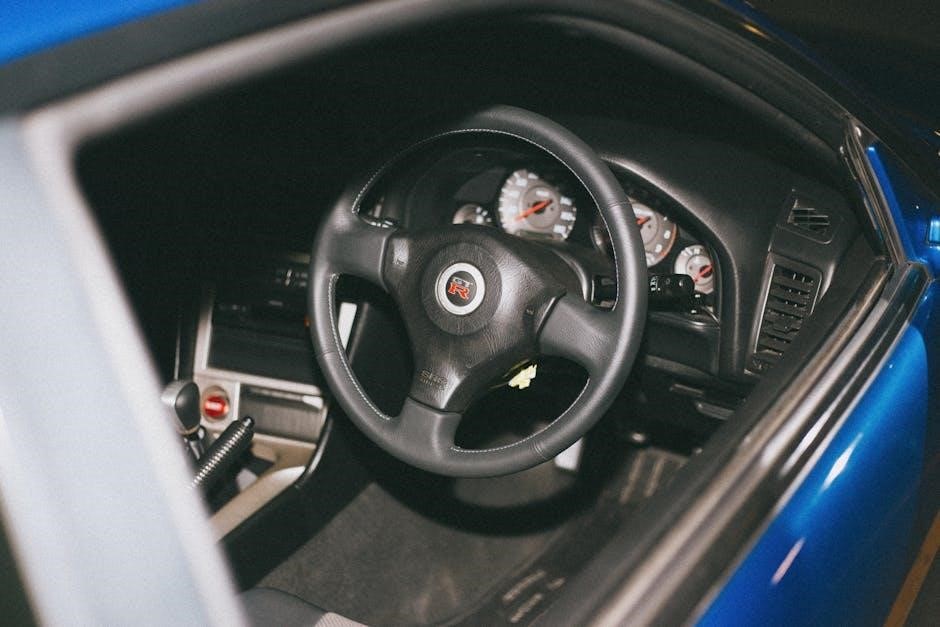
What Does “See Owner’s Manual” Actually Mean?
The “See Owner’s Manual” warning, often depicted as an information symbol (‘i’ within a circle), is Nissan’s way of signaling a non-critical issue requiring further investigation. It doesn’t necessarily indicate an immediate mechanical failure, but rather prompts owners to consult their vehicle’s handbook for specific details. This light frequently appears alongside other warning indicators, providing context for the underlying problem.
Essentially, Nissan is directing you to a more detailed explanation of the situation, potentially related to a system check, scheduled maintenance, or a minor malfunction; Ignoring this warning isn’t immediately catastrophic, but delaying a review of the owner’s manual could lead to a worsening condition. The manual provides specific troubleshooting steps and clarifies the severity of the issue, helping owners determine if professional assistance is needed. Recent reports suggest this light can also be triggered by software glitches or sensor anomalies, emphasizing the importance of checking for applicable recall notices (as of April 28, 2025).
The Severity Levels of Warning Lights
Nissan employs a color-coded system to communicate the urgency of warning lights, guiding drivers toward appropriate action. Red indicators signify critical issues demanding immediate attention – potentially causing damage if ignored. Yellow or amber lights denote problems requiring investigation soon, but allowing continued (cautious) driving. Green or blue lights generally indicate a system is actively engaged or functioning normally.
The “See Owner’s Manual” light itself doesn’t have an inherent severity level; its importance is derived from the accompanying indicator. A red light alongside it signals a serious concern, while a yellow light suggests a less urgent matter. Understanding this hierarchy is crucial. For example, a grinding noise during reversing (reported as of December 11, 2020) coupled with a warning light warrants prompt professional diagnosis. Ignoring critical warnings can lead to costly repairs, while addressing less severe issues proactively can prevent escalation, as highlighted in recent Nissan Connect recall notices (April 2025).
Color-Coded Indicators: Red, Yellow, and Green
Nissan’s dashboard utilizes a universally understood color scheme to quickly convey warning light severity. Red lights, such as those related to brake system malfunctions or critical engine issues, demand immediate attention and potentially stopping the vehicle. Ignoring these can lead to significant damage or safety risks.
Yellow indicators signal a problem requiring investigation, but generally allow continued driving with caution. Examples include certain ABS warnings or issues flagged by Nissan Connect. Green and blue lights typically confirm system operation – like automatic brake hold engaging – or indicate features are active.
Remember, the “See Owner’s Manual” warning often accompanies these colors, amplifying their message. Recent reports (December 11, 2025) highlight the importance of consulting the manual for specific guidance, especially concerning recalls like the April 28, 2025 Nissan Connect update. Understanding these color cues empowers drivers to respond appropriately to potential vehicle issues.

II. Common Nissan Malfunctions Triggering the Warning
Numerous issues can illuminate the “See Owner’s Manual” warning, ranging from engine and transmission problems to brake system faults and electrical anomalies.
A. Engine Related Issues
Engine malfunctions frequently trigger warning lights, demanding immediate attention. The dreaded Check Engine Light (CEL) can stem from a multitude of causes, including a loose gas cap, faulty oxygen sensors, or catalytic converter failures. Nissan’s diagnostic systems are sensitive, and even minor deviations can activate the warning.
Transmission problems, particularly concerning Continuously Variable Transmissions (CVTs), are also common culprits. While there’s no universal “cheat” for CVT issues, proper diagnostic tools are essential for erasure and repair. Owners should be aware of potential CVT concerns and consult a qualified technician.
Furthermore, issues with the Fan Control Amp, as reported in 2022, can lead to fan failures and subsequent warnings. Addressing these promptly prevents further damage and ensures optimal engine cooling. Regular maintenance and adherence to Nissan’s recommended service intervals are crucial for preventing engine-related warnings.
Check Engine Light (CEL) – Common Causes
The Check Engine Light (CEL) is arguably the most frequently encountered warning, yet its meaning remains elusive to many Nissan owners. A surprisingly simple cause can be a loose or damaged gas cap, disrupting the fuel system’s pressure. However, more serious issues often lurk beneath the surface.
Faulty oxygen sensors, critical for monitoring exhaust emissions, are a common trigger. Catalytic converter failures, though more expensive to repair, also frequently illuminate the CEL. Nissan’s diagnostic systems are highly sensitive, detecting even minor deviations from optimal performance.
Furthermore, issues within the engine’s ignition system, such as failing spark plugs or ignition coils, can activate the light. It’s crucial to utilize a diagnostic scanner to retrieve the specific error code, providing a more precise understanding of the underlying problem and guiding repair efforts.
Transmission Problems & CVT Concerns
Nissan Continuously Variable Transmissions (CVTs) have garnered attention for potential issues, often manifesting as warning lights on the dashboard. Owners may experience a “See Owner’s Manual” warning alongside noticeable performance changes, like hesitation or shuddering during acceleration. These symptoms often indicate internal CVT problems.
Unfortunately, diagnosing and resolving CVT issues can be complex, requiring specialized tools – like NISSAN CONSULT 3 Plus V241 software – for key programming and diagnostics. Generic scan tools often lack the necessary capabilities. A common concern involves the transmission’s ability to adapt and learn driving patterns; sometimes, a reset is required.
However, it’s vital to understand there’s no universal “cheat” for CVT problems. Addressing these concerns promptly is crucial to prevent further damage and potentially costly repairs. Consulting a Nissan specialist is highly recommended for accurate diagnosis and appropriate solutions.
B. Brake System Warnings
Brake system warnings demand immediate attention, as they directly impact vehicle safety. A “See Owner’s Manual” alert related to braking could signify various issues, ranging from minor sensor malfunctions to critical component failures. Understanding the specific indicator light is paramount.
The Anti-lock Braking System (ABS) warning light illuminates when the system detects a problem, potentially affecting braking performance during emergency stops. Additionally, a brake system malfunction warning might indicate low brake fluid levels or a faulty wheel speed sensor. These issues compromise the effectiveness of the braking system.
Referencing your owner’s manual is crucial for identifying the precise meaning of the warning light and recommended actions. Ignoring brake system warnings can lead to diminished stopping power and increased risk of accidents; Prompt professional inspection is always advised to ensure optimal brake function.
Anti-lock Braking System (ABS) Warning Light
The ABS warning light signals a potential issue within the Anti-lock Braking System, a critical safety feature in your Nissan. When illuminated, it doesn’t necessarily mean your brakes have failed entirely, but it indicates the ABS functionality may be compromised. This system prevents wheel lock-up during hard braking, enhancing steering control.
A steady ABS light often points to a system malfunction, potentially caused by faulty wheel speed sensors, a hydraulic control unit issue, or a problem with the ABS module itself. A flashing ABS light suggests the system is actively engaging and disengaging, which requires immediate attention.
Consulting your owner’s manual is vital to understand the specific implications for your Nissan model. Ignoring this warning could lead to reduced braking effectiveness in emergency situations. Professional diagnosis and repair are strongly recommended to restore full ABS functionality and ensure your safety.

Brake System Malfunction – Low Fluid or Sensor Issues
A “Brake System Malfunction” warning, often accompanied by a separate indicator, signifies a problem within the conventional braking system, distinct from the ABS. This could stem from critically low brake fluid levels, indicating a leak somewhere in the system, or a fault within one of the brake system’s sensors.
Low brake fluid compromises braking power and can introduce air into the lines, further reducing effectiveness. Sensor issues might relate to the brake pad wear indicators, or pressure sensors that monitor brake line integrity. Your owner’s manual details the specific warning light appearance for your Nissan model.
Immediately check the brake fluid reservoir level. If low, do not drive the vehicle without addressing the underlying leak. Professional inspection is crucial to identify and rectify the cause, ensuring safe and reliable braking performance. Ignoring this warning poses a significant safety risk.
C. Electrical System Faults
Electrical malfunctions within your Nissan can trigger a variety of warning lights, demanding careful attention. These issues range from simple battery concerns to complex failures within the charging system or even the vehicle’s control modules. A flickering or consistently illuminated warning light necessitates consulting your owner’s manual for specific interpretations.
Common electrical faults include a failing alternator, preventing proper battery charging, or a weakened battery unable to hold a charge. As reported on December 11, 2025, issues with the Fan Control Amp have resurfaced, potentially causing fan failures. HVAC system problems can also manifest as warning lights.
Your owner’s manual provides guidance on initial troubleshooting steps, such as checking battery connections. However, complex electrical issues often require professional diagnosis and repair to prevent further damage or safety hazards. Ignoring electrical warnings can lead to a complete vehicle shutdown.
Battery and Charging System Warnings
Nissan’s electrical system relies on a healthy battery and a functioning charging system; warnings related to these components should never be ignored. A battery warning light, often shaped like a battery, indicates a problem with the charging system’s ability to replenish the battery’s power. This could stem from a failing alternator, loose or corroded battery terminals, or a depleted battery itself.
Dimming headlights or interior lights can be an early sign of a charging system issue. As noted on December 11, 2025, electrical faults are a recurring concern in some Nissan models. Your owner’s manual details how to safely check battery connections and provides guidance on jump-starting procedures.

However, persistent warnings necessitate professional inspection. A faulty alternator can leave you stranded, while a failing battery can damage other electrical components. Prompt diagnosis and repair are crucial for maintaining vehicle reliability and safety.
Fan Control Amp Failures & HVAC Issues
Nissan HVAC systems, governed by the fan control amp, can experience failures leading to loss of airflow or inconsistent temperature regulation. As reported on January 28, 2022, a common issue involves the fan ceasing to function, even when speed settings are adjusted. This often points to a failing fan control amp, a component responsible for managing blower motor speed.
Your owner’s manual provides basic troubleshooting steps, such as checking fuses related to the HVAC system. However, diagnosing fan control amp failures typically requires specialized tools and expertise. Ignoring HVAC issues can lead to discomfort and, in some cases, compromise visibility due to windshield fogging.
Remember, a previous fix in 2011 may not address current problems, as components degrade over time. If the fan remains unresponsive after checking fuses, professional diagnosis and replacement of the fan control amp are recommended to restore optimal climate control.
III. Nissan-Specific Systems and Warnings
Nissan’s unique systems, like Nissan Connect, and recent recalls (April 28, 2025) necessitate careful attention to warning lights and proactive maintenance checks.
Nissan Connect & Recall Notices (April 2025)
Nissan Connect, the integrated infotainment system, can trigger warnings related to software glitches or connectivity issues, often prompting a “See Owner’s Manual” message. Recent recall notices, specifically dated April 28, 2025, highlight potential concerns within the system that may manifest as warning lights on the dashboard. These recalls often stem from issues requiring software updates or component replacements.
Owners should regularly check the Nissan Connect app for updates and recall information. Ignoring these notifications could lead to diminished functionality or, in some cases, safety concerns. The April 2025 recall, while details are still emerging, appears to be related to previous hose replacement issues, suggesting a recurring problem Nissan is actively addressing. Consulting the owner’s manual provides specific guidance on interpreting Nissan Connect-related warnings and initiating necessary service procedures. Proactive engagement with these resources is crucial for maintaining optimal vehicle performance and safety.
Forward Driving Aids Disabled – Sensor Blockage
The disconcerting message “Forward Driving Aids Disabled – Front Sensor Blocked” frequently appears on Nissan dashboards, triggering a need to consult the owner’s manual for clarification. This warning indicates a disruption to the sensors powering features like cruise control, automatic emergency braking, and lane departure warning. Common causes include dirt, snow, ice, or even a damaged sensor.
Numerous reports from January 24, 2023, detail this issue, with owners experiencing sudden cruise control disengagement and the accompanying warning message. The owner’s manual stresses the importance of cleaning the sensors located in the front grille and windshield area. If cleaning doesn’t resolve the problem, a sensor malfunction or internal system error may be present, necessitating professional diagnosis. Ignoring this warning compromises the functionality of vital safety systems, emphasizing the importance of prompt attention and adherence to the owner’s manual’s recommendations.
Automatic Brake Hold Indicator Light
The Automatic Brake Hold indicator light illuminates on your Nissan’s dashboard to signify the status of this convenient feature, and understanding its nuances is crucial, as detailed in your owner’s manual. This system maintains braking pressure after you release the brake pedal in stop-and-hold traffic, reducing driver fatigue. A solid light indicates the system is actively engaged, while a flashing light suggests a potential malfunction.
Consulting the owner’s manual is paramount if the light remains illuminated even when the system isn’t intended to be active. Potential issues range from a simple system error to a more serious problem within the braking system itself. The manual provides troubleshooting steps, such as attempting to disengage and re-engage the system. If the issue persists, professional inspection is recommended to ensure the safe and reliable operation of your vehicle’s braking mechanisms, preventing unexpected disengagement or compromised stopping power.
IV. Troubleshooting and Owner’s Manual Resources
Your Nissan’s owner’s manual is the primary resource for deciphering warning lights; Nissan also provides extensive online support and troubleshooting guides for vehicle issues.
Locating Relevant Information in Your Owner’s Manual
Navigating your Nissan’s owner’s manual is the first step in understanding any warning light. Begin by consulting the index for “warning lights” or “indicators.” The manual typically dedicates a section to detailing each symbol, explaining its meaning, and outlining potential causes. Pay close attention to the color of the light – red indicates a serious issue requiring immediate attention, yellow suggests a potential problem needing investigation, and green generally signifies a system is actively engaged.
Specifically, look for sections covering the systems potentially implicated by the “See Owner’s Manual” message. This could include engine management, brake systems, electrical components, or advanced driver-assistance features. The manual will often provide basic troubleshooting steps, such as checking fluid levels or inspecting sensors. Remember that the manual is vehicle-specific; ensure you are referencing the correct edition for your Nissan’s model year. Online versions are also available on Nissan’s official website, offering searchable databases and downloadable PDFs.
Utilizing Nissan’s Online Resources & Support
Nissan provides a wealth of online resources to assist owners in deciphering warning lights and addressing vehicle concerns. The official Nissan website features a comprehensive support section, including FAQs, troubleshooting guides, and downloadable owner’s manuals. Utilize the vehicle identification number (VIN) lookup tool to access information specific to your car, including any applicable recalls or service bulletins – notably, a Nissan Connect recall was published April 28, 2025.
Furthermore, Nissan’s online forums and social media channels can offer valuable insights from other owners experiencing similar issues. The Nissan Customer Relationship Center is also available via phone or online chat for direct assistance. When contacting support, be prepared to provide your VIN and a detailed description of the warning light and any accompanying symptoms. Remember to check for recent issues like window replacement concerns (warranty claims are recommended) and grinding noises during reversing, as reported as of late 2020 and January 2023.
When to Seek Professional Assistance
Despite available resources, certain warning lights necessitate immediate professional attention. A red warning light, particularly those related to braking or engine function, demands prompt diagnosis by a certified Nissan technician. Ignoring these signals could lead to severe mechanical failure or compromise safety. Even a yellow “See Owner’s Manual” light, if accompanied by noticeable performance issues – like the fan control amp failures reported in 2022 – warrants inspection.
If you’re unable to identify the cause of the warning or lack the expertise to perform necessary repairs, schedule a service appointment. Issues like the grinding noise during reversing (reported since December 2020) or forward driving aids being disabled (January 2023) require professional evaluation. Remember Nissan corporate generally won’t reimburse for repairs, so utilizing your warranty for issues like window replacements (as of May 2021) is highly recommended. Don’t delay seeking help; proactive maintenance prevents costly repairs.
V. Recent Issues & Recalls (as of 12/11/2025)
Recent reports detail window replacement issues, grinding noises during reversing, and Nissan Connect recalls published April 28, 2025, impacting vehicle functionality.
Window Replacement Issues & Warranty Claims
Numerous Nissan owners have reported unexpected window failures requiring replacement, sparking concerns about potential defects and prompting warranty claim submissions. As of December 11, 2025, a recurring theme emerges: spontaneous window breakage, often without prior indication of stress or damage. Nissan corporate has, in some instances, initially denied reimbursement requests, leading to frustration among affected customers.
However, a significant number of owners have successfully secured coverage through their existing vehicle warranties. It is strongly recommended that owners experiencing this issue prioritize utilizing their warranty for repair, as this appears to be the most reliable avenue for financial assistance. Reports indicate that Nissan is not consistently offering loaner vehicles during the repair process, potentially causing inconvenience. Documentation of the issue and proactive engagement with Nissan’s customer support are crucial steps in navigating the claims process effectively.
Grinding Noises During Reversing – Potential Causes
A common complaint among Nissan drivers involves a distinct grinding noise emanating from the front of the vehicle specifically when reversing. As reported as of December 11, 2025, pinpointing the exact source of this sound can be challenging, often requiring a professional diagnosis. Several potential causes have been identified, ranging from issues within the braking system to problems with the drivetrain components.
Possible culprits include worn brake pads or rotors, a failing wheel bearing, or even a problem with the differential. The noise may also stem from the CV joints, particularly if they are damaged or lacking sufficient lubrication. Thorough inspection of these areas is essential to determine the root cause. Owners experiencing this issue should avoid prolonged reversing and seek immediate professional assistance to prevent further damage and ensure safe operation of the vehicle.