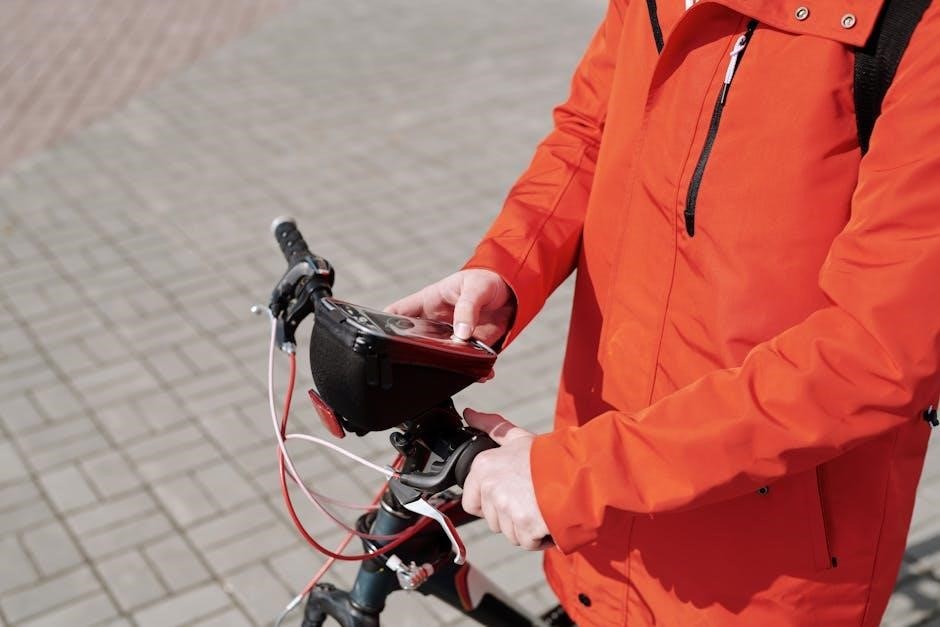
schwinn bike computer manual pdf
Schwinn Bike Computer Manual PDF: A Comprehensive Guide
Your new Schwinn Bike Computer Manual is now ready for use, offering a step-by-step guide to get started; important information is included within․
Schwinn bike computers represent a long-standing commitment to enhancing the cycling experience, providing riders with crucial data to optimize performance and enjoyment․ These devices have evolved significantly over the years, transitioning from basic speedometers to sophisticated multi-functional units․
Initially designed to simply track speed, modern Schwinn bike computers now offer a wealth of information, including distance traveled, ride time, cadence, heart rate (with compatible sensors), and even estimated calories burned․ This data empowers cyclists of all levels – from casual riders to serious athletes – to monitor their progress, set goals, and achieve peak fitness․
Understanding the capabilities of your Schwinn bike computer, as detailed in the manual, is the first step towards unlocking its full potential․ The manual serves as a comprehensive resource, guiding you through setup, operation, and troubleshooting, ensuring a seamless and rewarding cycling experience․

Why Use a Schwinn Bike Computer?
Utilizing a Schwinn bike computer transforms your cycling routine from a simple activity into a data-driven pursuit of fitness and performance․ These devices provide immediate feedback on your efforts, allowing you to adjust your pace and intensity for optimal results․ Tracking key metrics like speed and distance helps monitor progress over time, fostering motivation and a sense of accomplishment․
Beyond basic tracking, advanced features like cadence and heart rate monitoring offer deeper insights into your physiological response to exercise․ This information is invaluable for training efficiently and avoiding overexertion․ Furthermore, understanding your calorie expenditure aids in weight management and overall health goals․
Ultimately, a Schwinn bike computer empowers you to take control of your cycling experience, making it more engaging, effective, and enjoyable․ The manual unlocks these benefits, guiding you through personalized setup and data interpretation․
Understanding the Different Schwinn Bike Computer Models
Schwinn offers a diverse range of bike computers, catering to varying rider needs and budgets․ Entry-level models typically focus on essential metrics – speed, distance, and time – providing a straightforward tracking experience․ These are ideal for casual cyclists seeking basic performance data․
Mid-range options introduce features like cadence sensing, allowing riders to optimize pedaling efficiency․ More advanced models incorporate heart rate monitoring, providing valuable insights into exertion levels and training zones․ These often include larger displays and enhanced data logging capabilities․
Premium Schwinn bike computers may offer GPS connectivity, enabling route tracking and detailed performance analysis via smartphone apps․ Consulting your specific model’s manual is crucial to understanding its unique features and maximizing its potential․

Locating the Schwinn Bike Computer Manual PDF
Finding your Schwinn Bike Computer Manual PDF is straightforward; explore the official Schwinn website or utilize third-party manual databases for easy access․
Official Schwinn Website
The primary and most reliable source for your Schwinn Bike Computer Manual PDF is the official Schwinn website․ Navigate to the ‘Support’ or ‘Owners Manuals’ section, typically found at the bottom of the homepage․
Schwinn often organizes manuals by product category, so look for ‘Fitness Equipment’ or specifically ‘Bike Computers’․ You may need to filter by year or model to pinpoint the exact manual for your device․
A search function on the website can also be incredibly helpful; simply enter your bike computer’s model number․ Downloading directly from Schwinn ensures you receive the most accurate and up-to-date version, free from potential errors or outdated information found on other sites․
Furthermore, the official website may offer additional resources like FAQs, troubleshooting guides, and video tutorials to assist with setup and operation․
Third-Party Manual Databases
When the official Schwinn website doesn’t yield results, several third-party manual databases can be valuable resources for locating your Schwinn Bike Computer Manual PDF․ Websites like ManualsLib, ManualsOnline, and similar platforms often host user-uploaded manuals for a wide range of products․
However, exercise caution when using these sites․ Verify the manual’s authenticity and ensure it corresponds precisely to your bike computer’s model number․ Information accuracy isn’t always guaranteed on these platforms․
These databases frequently rely on community contributions, so the availability of manuals can vary․ A thorough search using specific keywords – “Schwinn Bike Computer,” your model number, and “manual PDF” – will increase your chances of success․
Always scan downloaded files with antivirus software before opening them to protect against potential malware․
Searching for Specific Model Numbers
Locating the correct Schwinn Bike Computer Manual PDF hinges on knowing your specific model number․ This number is typically found on the computer unit itself, often on a sticker located on the back or underside․ It may also be printed on the original packaging or in any accompanying documentation;
When searching online, include the full model number in your query․ For example, instead of “Schwinn bike computer manual,” search for “Schwinn ABC-123 Bike Computer Manual PDF,” replacing ABC-123 with your actual model number․
Precise model number searches significantly narrow down the results, increasing the likelihood of finding the exact manual you need․ Without it, you risk downloading an incompatible manual with incorrect instructions․
Double-check the model number on the manual to confirm it matches your device before relying on its contents․
Schwinn Bike Computer Features & Functions
Schwinn bike computers offer diverse features, including speed, distance, time, cadence, heart rate monitoring, and calorie burn calculations for enhanced cycling experiences․

Basic Functions: Speed, Distance, and Time
The foundational capabilities of any Schwinn bike computer revolve around accurately tracking speed, distance traveled, and elapsed time during your rides; Speed is typically displayed in miles per hour (MPH) or kilometers per hour (km/h), providing real-time feedback on your current pace․
Distance measurements accumulate throughout your ride, showing the total distance covered, and often include options for trip distance and total accumulated distance․ Time is presented as elapsed ride time, allowing you to monitor the duration of your workouts․
These core functions are essential for understanding your performance and progress․ The manual details how to ensure accurate readings, including proper sensor placement and wheel size calibration․ Understanding these basics is crucial before exploring more advanced features, providing a solid base for data-driven cycling․
Advanced Features: Cadence, Heart Rate, and Calories Burned
Beyond the basics, many Schwinn bike computers offer advanced metrics for a more comprehensive training experience․ Cadence, measured in revolutions per minute (RPM), indicates your pedaling speed, helping optimize efficiency and reduce strain․ Heart rate monitoring, often requiring a compatible chest strap, provides insights into your exertion levels and training zones․
Furthermore, some models estimate calories burned during your ride, based on factors like speed, distance, time, heart rate, and user profile data․ The manual explains how to pair sensors, interpret data, and customize settings for these features․
Utilizing these advanced functions allows for targeted training, improved performance tracking, and a deeper understanding of your physiological response to cycling․ Proper setup and understanding of the data are key to maximizing their benefits․
Trip Data and Total Data
Schwinn bike computers typically differentiate between ‘Trip Data’ and ‘Total Data’ to provide a comprehensive overview of your cycling activity․ Trip Data encompasses statistics recorded during a single ride – speed, distance, time, and potentially cadence, heart rate, and calories burned – which resets when the ride ends․
Total Data, conversely, accumulates over the lifespan of the computer, tracking cumulative distance, total riding time, and other metrics․ The manual details how to access, reset (for Trip Data), and interpret both data sets․
Understanding this distinction is crucial for monitoring progress, setting goals, and maintaining a record of your cycling journey․ The PDF manual will guide you through navigating the computer’s interface to view and manage these valuable statistics․

Installing Your Schwinn Bike Computer
The manual provides clear, step-by-step instructions for physically attaching the computer unit and its sensors to your bicycle for accurate data collection․
Mounting the Computer Unit
Carefully review the manual’s diagrams illustrating the optimal placement of the computer unit on your handlebars․ Typically, this involves utilizing the provided mounting bracket and O-rings to securely fasten it․ Ensure the unit is positioned for clear visibility without obstructing your view or interfering with your cycling․
The manual will detail how to adjust the bracket to accommodate different handlebar diameters, guaranteeing a snug and stable fit․ Tighten the screws firmly, but avoid over-tightening, which could damage the bracket or the computer itself․ Pay attention to cable routing, ensuring they don’t become tangled or impede steering․
Proper mounting is crucial for accurate readings and preventing the unit from dislodging during your ride․ Double-check the security of the mount before each use, and refer to the manual’s troubleshooting section if you encounter any difficulties during installation․
Attaching the Speed Sensor
The Schwinn bike computer manual PDF will guide you through attaching the speed sensor to your bicycle’s front fork or rear chainstay, typically using a provided zip tie or bracket․ Precise placement is key; maintain a consistent distance – usually specified in the manual – between the sensor and a spoke on your wheel․
Ensure the sensor is aligned correctly, facing the spoke, to accurately detect wheel rotations․ Secure the sensor firmly to prevent movement during rides, which could lead to inaccurate speed readings․ The manual will illustrate the correct orientation and recommended mounting locations for various bike frame designs․
After attachment, verify the sensor is transmitting a signal to the computer unit․ A test ride and observation of the speed display will confirm proper functionality․ Refer to the manual’s troubleshooting section if the sensor fails to register or provides inconsistent data․
Installing the Cadence Sensor (if applicable)
If your Schwinn bike computer model includes cadence monitoring, the manual PDF will detail attaching the cadence sensor to your crank arm․ Typically, this involves securing the sensor with rubber bands or a dedicated mounting bracket, ensuring it accurately detects pedal rotations․
Proper alignment is crucial; the sensor must be positioned close to the crank arm and facing the reflective marker (often included) attached to the opposite crank arm․ The manual will illustrate the optimal placement for various crank arm designs and provide guidance on marker positioning․
Verify the sensor’s signal transmission to the computer unit after installation․ A short test ride, observing the cadence display, confirms functionality․ Consult the manual’s troubleshooting section if the sensor doesn’t register or provides erratic readings․
Setting Up Your Schwinn Bike Computer
The Schwinn Bike Computer Manual PDF guides users through essential setup steps, including wheel size calibration, user profile creation, and accurate date/time settings․
Wheel Size Calibration
Accurate wheel size calibration is absolutely crucial for precise speed and distance readings on your Schwinn Bike Computer․ The manual PDF emphasizes this step, detailing how to measure your wheel’s circumference correctly․ Typically, this involves measuring the distance around the tire or using the tire’s sidewall markings to find the diameter, then calculating the circumference․
The Schwinn manual will guide you through entering this value into the computer’s settings menu․ Incorrect wheel size input directly impacts the accuracy of all calculated data, leading to skewed results․ The PDF often includes diagrams illustrating the measurement process and screenshots showing the menu navigation․ Pay close attention to the units required (millimeters are common) and double-check your entry before saving․ A properly calibrated wheel size ensures reliable performance tracking during your rides․
User Profile Setup
The Schwinn Bike Computer Manual PDF highlights the importance of setting up a user profile for personalized data tracking․ This typically involves inputting information like age, weight, and gender․ These details are essential for accurate calorie burn calculations and heart rate zone estimations, if your model supports heart rate monitoring․
The manual will guide you through navigating the settings menu to create and save your profile․ Some models may allow for multiple user profiles, ideal for families or shared bikes․ Accurate profile information significantly enhances the computer’s ability to provide meaningful insights into your fitness progress․ The PDF often includes screenshots illustrating the profile setup process, ensuring a smooth and user-friendly experience․ Remember to review and update your profile as needed․
Setting Date and Time
The Schwinn Bike Computer Manual PDF emphasizes correctly setting the date and time as a foundational step for accurate ride data logging․ This ensures that trip data, such as average speed and ride duration, are accurately timestamped․ The manual will detail how to access the time setting menu, typically through a combination of button presses on the computer unit․
Instructions will guide you through adjusting the year, month, day, hour, and minute․ Some models may offer a 12 or 24-hour clock format option․ Accurate date and time settings are also crucial for features like ride history tracking and data synchronization with compatible apps, if supported by your Schwinn bike computer model․ Refer to the PDF for specific button sequences and menu navigation․

Troubleshooting Common Issues
The Schwinn Bike Computer Manual PDF provides solutions for problems like the computer not turning on, incorrect speed readings, and sensor connectivity issues․
Computer Not Turning On
If your Schwinn bike computer fails to power on, the manual suggests several troubleshooting steps․ First, verify the battery installation, ensuring correct polarity (+/-) and a secure connection․ A low battery is a frequent cause, so replacing it with a fresh one is recommended․
Next, check the power button itself for any physical damage or obstruction․ If the button feels unresponsive, it might require professional repair․ The manual also advises inspecting the wiring connecting the computer unit to the power source, looking for any loose connections or frayed wires․
Furthermore, some models feature an auto-off function; confirm it hasn’t activated unintentionally․ If none of these steps resolve the issue, consult the manual’s section on warranty information or contact Schwinn customer support for further assistance․ Always refer to your specific model’s manual for detailed instructions․
Incorrect Speed Readings
If your Schwinn bike computer displays inaccurate speed readings, the manual highlights several potential causes․ Begin by verifying the wheel size calibration is correctly set within the computer’s settings․ An incorrect wheel size directly impacts speed calculations․
Next, inspect the speed sensor’s placement and ensure it’s securely attached to the bike frame and properly aligned with the spokes․ Any looseness or misalignment can lead to erratic readings․ The manual also suggests checking for any obstructions, like mud or debris, interfering with the sensor’s operation․
Additionally, confirm the sensor’s battery is functioning correctly․ A weak battery can cause inconsistent signals․ If the problem persists, try resetting the computer to its factory defaults as outlined in the manual․ Finally, consult the manual’s troubleshooting section for model-specific guidance․
Sensor Connectivity Problems
The Schwinn bike computer manual addresses sensor connectivity issues, a common concern for users․ First, ensure the sensors (speed and/or cadence) are within the specified range of the computer unit․ Excessive distance can disrupt the signal․ Secondly, verify the batteries in both the computer and sensors are fresh and correctly installed, as low battery power often causes connectivity loss․
The manual instructs users to check for any potential interference from other wireless devices nearby, which might disrupt the signal transmission․ Also, confirm that the sensors are properly paired with the computer unit, following the pairing instructions detailed in the manual․
If problems continue, try resetting both the computer and sensors․ Lastly, the manual suggests consulting the troubleshooting section for specific error codes or model-related solutions to restore a stable connection․

Schwinn Bike Computer Manual PDF: Key Sections
Essential sections within the manual cover safety precautions, a detailed function overview, and comprehensive technical specifications for optimal user understanding and operation․
Safety Precautions
Prior to utilizing your Schwinn Bike Computer, carefully review the safety precautions detailed within the manual․ Always prioritize your well-being and maintain full attention on the road or path ahead while cycling․ Do not become distracted by the computer’s features during operation; adjust settings only when safely stopped․
Ensure the computer and sensors are securely mounted to prevent detachment and potential hazards․ Be mindful of the sensor placement to avoid interference with bike mechanics or rider movement․ Regularly inspect all components for damage or wear, replacing them as needed․ Avoid attempting repairs yourself; consult a qualified technician for any complex issues․
Keep the computer dry to prevent electrical malfunction․ Never disassemble the unit beyond the battery replacement instructions․ Follow all local traffic laws and regulations while cycling․ Remember, the bike computer is a tool to enhance your ride, not a substitute for safe cycling practices․
Function Overview
The Schwinn Bike Computer Manual provides a comprehensive overview of all available functions․ Users can track essential metrics such as speed, distance traveled, and ride time, offering immediate feedback on performance․ More advanced models incorporate features like cadence monitoring, allowing riders to optimize pedaling efficiency․ Heart rate compatibility, when available, provides valuable insights into exertion levels․
The computer calculates estimated calories burned based on ride data and user profile information․ Trip data displays current ride statistics, while total data accumulates over the computer’s lifespan․ Users can typically customize display settings to prioritize preferred information․ The manual details how to navigate the menu system and access each function effectively․
Understanding these functions empowers cyclists to monitor progress, set goals, and enhance their overall riding experience․ Refer to the manual for specific button operations and display interpretations․
Technical Specifications
The Schwinn Bike Computer Manual details crucial technical specifications for each model․ This includes the operating temperature range, ensuring functionality in various conditions․ Battery type and expected lifespan are clearly stated, aiding in maintenance․ Display type (LCD, for example) and dimensions are provided, alongside the computer unit’s physical dimensions and weight․
Sensor specifications, such as transmission range and type (wireless or wired), are outlined․ Water resistance ratings (e․g․, IPX4) indicate protection against splashes․ Data storage capacity, if applicable, is specified, detailing how much ride data can be saved․ Compatibility with other devices, like heart rate monitors, is also listed․
The manual often includes information on data units (miles/kilometers) and accuracy levels for each measurement․ These specifications are vital for understanding the computer’s capabilities and limitations․

Maintaining Your Schwinn Bike Computer
The Schwinn Bike Computer Manual provides guidance on battery replacement, cleaning procedures, and potential software updates to ensure optimal performance and longevity․
Battery Replacement
Refer to your Schwinn Bike Computer Manual for specific battery type requirements, as models vary․ Typically, these computers utilize small button cell batteries, such as CR2032s․ To replace the battery, gently open the battery compartment, usually located on the back of the computer unit, using a small screwdriver if necessary․
Carefully remove the old battery, noting its polarity (+ and -)․ Insert the new battery, ensuring correct alignment․ A secure fit is crucial for accurate readings․ Close the battery compartment tightly to maintain water resistance, if applicable․ The manual will detail any specific sealing procedures․ Always dispose of used batteries responsibly, following local regulations․ Low battery indicators on the display signal the need for replacement, preventing data loss during rides․
Consult the manual for diagrams illustrating the process for your particular Schwinn model․
Cleaning and Storage
Your Schwinn Bike Computer Manual emphasizes regular cleaning to maintain optimal performance․ Use a soft, damp cloth to wipe down the computer unit and sensors; avoid harsh chemicals or abrasive cleaners; Ensure the unit is completely dry before reattaching it to your bike․ For the speed and cadence sensors, gently remove any dirt or debris that may accumulate․
When storing your bike computer for extended periods, remove the unit from the bike to prevent damage or theft․ Store it in a cool, dry place, away from direct sunlight and extreme temperatures․ The manual may recommend removing the battery during long-term storage to prevent corrosion․ Proper storage extends the lifespan of your computer and ensures it’s ready for your next ride․ Refer to the manual for specific storage guidelines related to your model․
Regular maintenance contributes to long-term reliability․
Software Updates (if applicable)
The Schwinn Bike Computer Manual may detail procedures for software updates, depending on the model․ Some advanced computers offer firmware updates to improve functionality or fix bugs․ Check the official Schwinn website for available updates and instructions specific to your computer’s model number․ Typically, updates involve connecting the computer to a computer via USB․
Follow the on-screen prompts carefully during the update process; interrupting the update can damage the unit․ The manual will outline the necessary software or applications needed for the update․ Ensure your computer meets the system requirements before initiating the update․ Regular updates can enhance performance and add new features․ Always back up any stored data before performing an update, if the option is available․ Refer to the manual for detailed guidance․
Keeping your software current is beneficial․