birds of illinois field guide
Illinois boasts remarkable avian diversity, with over 400 species recorded, though this guide focuses on 35 commonly observed birds within the state’s varied habitats.
Overview of Avian Diversity in Illinois
Illinois’s diverse ecosystems – from sprawling prairies and dense forests to winding rivers and the Great Lakes shoreline – support a truly impressive range of birdlife. Currently, the Illinois Ornithological Records Committee (IORC) recognizes 455 species and two species pairs as officially documented within the state as of March 2024.
This remarkable avian diversity is a testament to Illinois’s geographical location as a migratory crossroads. Many species pass through Illinois during their spring and fall migrations, while others breed here during the warmer months. The IORC, established in 1986, meticulously reviews bird records submitted by observers, utilizing evidence like photographs, recordings, and detailed documentation to maintain an accurate and reliable state list.
Importance of Bird Identification
Accurate bird identification is crucial for understanding and conserving Illinois’s avian populations. Knowing which species are present, and when, provides valuable data for tracking population trends and assessing the health of local ecosystems. Citizen science initiatives heavily rely on accurate observations submitted by birders of all skill levels.
Furthermore, identifying birds enhances our appreciation for the natural world. Learning to distinguish birds by sight and sound deepens our connection to the environment and fosters a sense of stewardship. Resources like online databases, field guides, and the IORC contribute to building identification skills, empowering individuals to become active participants in bird conservation efforts throughout Illinois.
Common Backyard Birds of Illinois
Many Illinois residents enjoy observing birds right in their own backyards, creating a welcoming habitat for frequent feathered visitors throughout the year.
Northern Cardinal
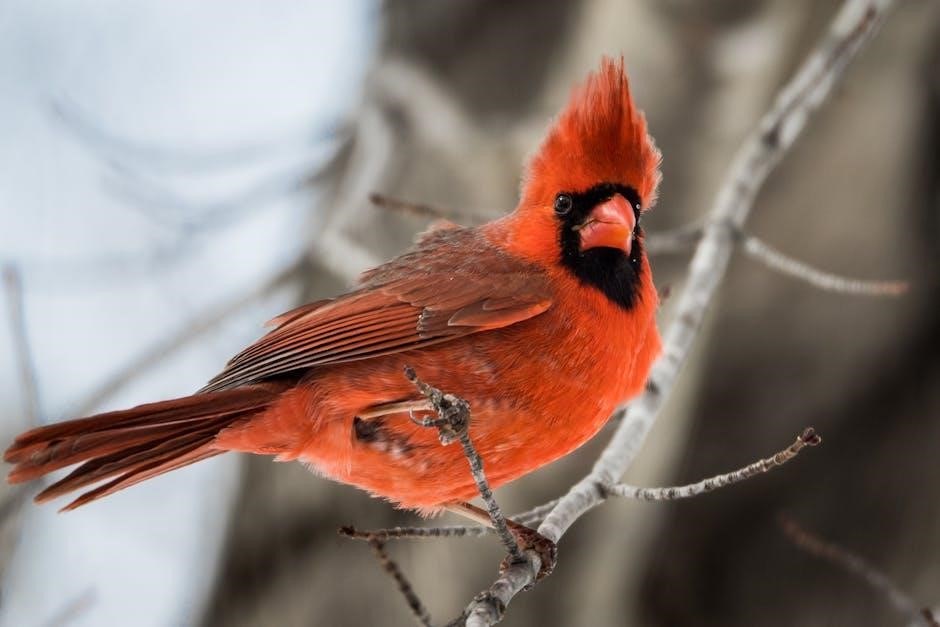
The Northern Cardinal is a strikingly beautiful bird, and Illinois’ state bird, instantly recognizable by the male’s vibrant red plumage. Females exhibit a more subdued, reddish-brown coloration with red accents. These birds are year-round residents, adding a splash of color to winter landscapes. Cardinals are commonly found in woodlands, gardens, and shrubby areas across Illinois.
They are known for their cheerful, whistling songs, often heard throughout the year. Cardinals primarily feed on seeds, fruits, and insects. Attracting them to your backyard is easy with sunflower seeds and suet feeders. Look for them perched prominently on branches, or foraging on the ground; Their presence brightens any Illinois backyard!
American Robin
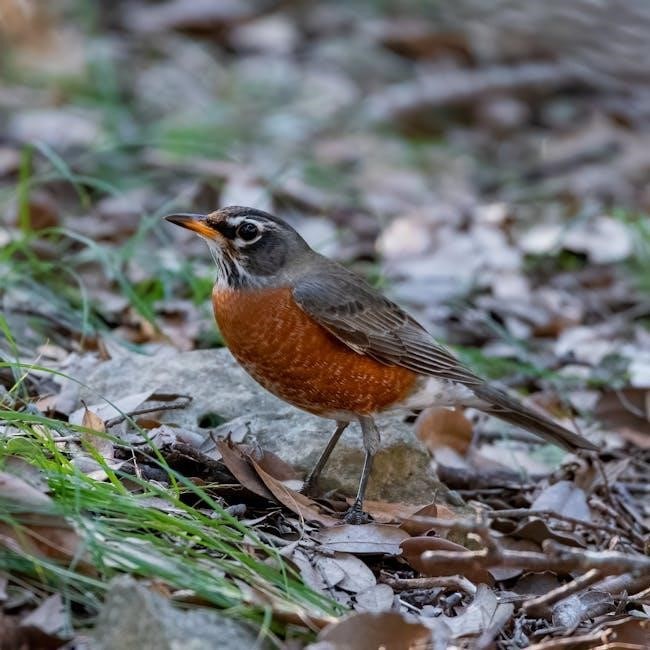
The American Robin is a familiar sight throughout Illinois, known for its reddish-orange breast and gray-brown back. These adaptable birds are often seen hopping across lawns, searching for earthworms – a staple of their diet. Robins are migratory, but many remain in Illinois year-round, especially in areas with food sources. They prefer habitats like woodlands, parks, and suburban gardens.
Their song is a cheerful, warbling melody, often heard at dawn and dusk. Robins build cup-shaped nests in trees and shrubs, using mud and grass. They are relatively unafraid of humans, making them easy to observe. Attracting them involves providing berry-producing shrubs and leaving some areas of your lawn undisturbed for foraging;
Mourning Dove
The Mourning Dove is a slender, graceful bird, recognized by its soft gray-brown plumage and black spots on its wings. Its mournful, cooing call is a common sound across Illinois, lending the bird its name. These doves are frequently found in open woodlands, fields, and suburban areas, often foraging for seeds on the ground.
They are prolific breeders, often raising multiple broods in a single season. Mourning Doves construct flimsy nests in trees and shrubs, using twigs and grasses. They are strong fliers, capable of reaching speeds up to 55 mph. Providing bird feeders with sunflower seeds will readily attract these peaceful birds to your yard throughout the year.
House Finch
The House Finch is a common sight in Illinois, easily identified by the male’s rosy-red head and breast, though coloration can vary. Females exhibit a more subdued, streaked brown appearance. These adaptable birds thrive in a variety of habitats, including urban areas, farmlands, and open woodlands, frequently gathering in flocks.
House Finches are primarily seed-eaters, often found foraging on the ground or visiting bird feeders. Their cheerful, warbling song is a familiar sound. They readily nest in various locations, including buildings, trees, and shrubs. Originally a western species, the House Finch has expanded its range eastward, becoming a beloved backyard bird across Illinois.
Blue Jay
The Blue Jay is a striking and intelligent bird, instantly recognizable by its vibrant blue, black, and white plumage. These bold birds are common throughout Illinois, inhabiting forests, woodlands, and suburban areas. Known for their inquisitive nature, Blue Jays are often among the first to investigate new happenings in the yard.
Blue Jays have a diverse diet, consuming nuts, seeds, insects, and occasionally eggs or nestlings. They are skilled mimics, capable of imitating the calls of other birds, including hawks. Their loud, varied calls are a familiar sound in Illinois forests. They cache food for later consumption, contributing to seed dispersal.
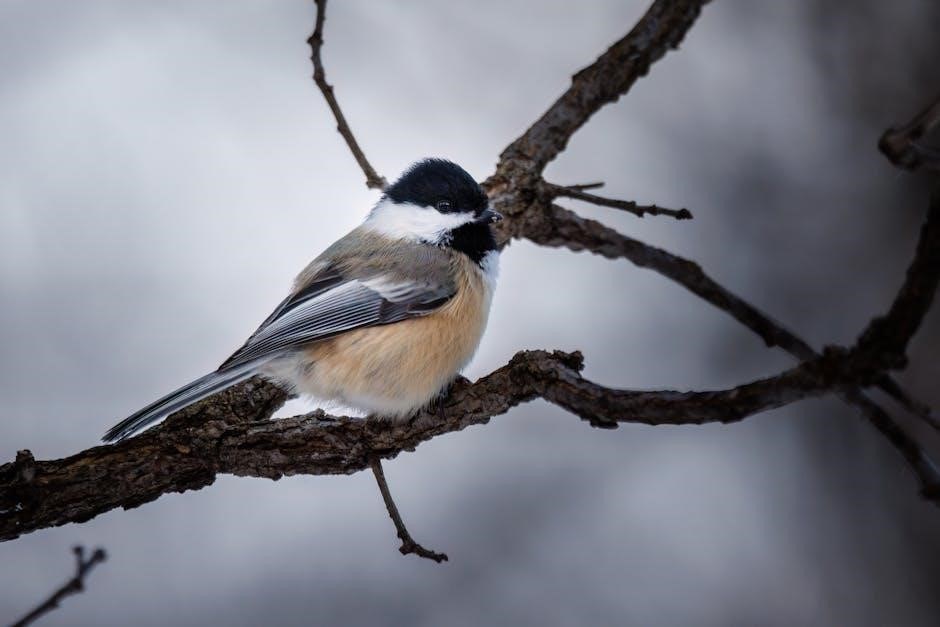
Birds of Prey in Illinois
Illinois skies host magnificent raptors, including hawks, kestrels, owls, and the majestic Bald Eagle, playing crucial roles in the state’s ecosystem balance.
Red-tailed Hawk
The Red-tailed Hawk is a common and strikingly beautiful bird of prey found throughout Illinois. Recognized by its reddish-brown tail – though coloration can vary – and broad, rounded wings, it’s a frequent sight soaring over fields and forests. These hawks are opportunistic hunters, preying on mammals like rodents and rabbits, as well as other birds.
They are often seen perched on telephone poles or trees, patiently scanning the landscape for movement. Their call, a piercing, raspy scream, is a familiar sound in many areas of Illinois. Breeding season typically occurs from March to August, with nests built in large trees or on cliffs. Observing a Red-tailed Hawk is a rewarding experience for any birdwatcher in Illinois, showcasing the power and grace of nature.
American Kestrel
The American Kestrel, Illinois’ smallest falcon, is a vibrant and captivating bird of prey. Easily identified by its rusty-red back and tail, combined with blue-gray wings in males, and a barred reddish-brown coloration in females, it’s a common sight hovering over open fields and grasslands. These kestrels are skilled hunters, primarily feeding on insects and small rodents.
They often perch on wires or trees, diligently scanning for prey before diving with impressive speed and accuracy. Kestrels nest in cavities – either natural or created by woodpeckers – or in nest boxes. Breeding season extends from April to August. Spotting an American Kestrel offers a delightful glimpse into the world of raptors, demonstrating their agility and hunting prowess within Illinois’ diverse ecosystems.
Great Horned Owl
The Great Horned Owl, a powerful and adaptable predator, is a prominent bird of prey found throughout Illinois. Recognizable by its prominent ear tufts (which are feathers, not ears!), large size, and striking yellow eyes, this owl is a nocturnal hunter. They are incredibly versatile, thriving in forests, woodlands, and even urban areas.
Their diet is diverse, including rabbits, rodents, birds, and even skunks. Great Horned Owls often reuse nests built by other birds, like hawks or crows, or will nest in tree cavities. Breeding typically begins early in the year, sometimes even in winter, making them one of the earliest nesters; Hearing their deep, resonant hooting is a truly iconic Illinois wildlife experience.
Bald Eagle
The Bald Eagle, a symbol of national pride, has made a remarkable recovery in Illinois after facing near extinction. Once rare, these majestic birds are now increasingly common, especially near large bodies of water like rivers and lakes. Adults are easily identified by their distinctive white head and tail feathers contrasting with a dark brown body.
Bald Eagles are powerful fish hunters, but their diet also includes waterfowl and carrion. They build massive nests, called eyries, often in tall trees near water. These nests are continually added to over the years, becoming some of the largest structures built by any bird. Observing a Bald Eagle soaring overhead or perched in a tree is a breathtaking sight in Illinois.
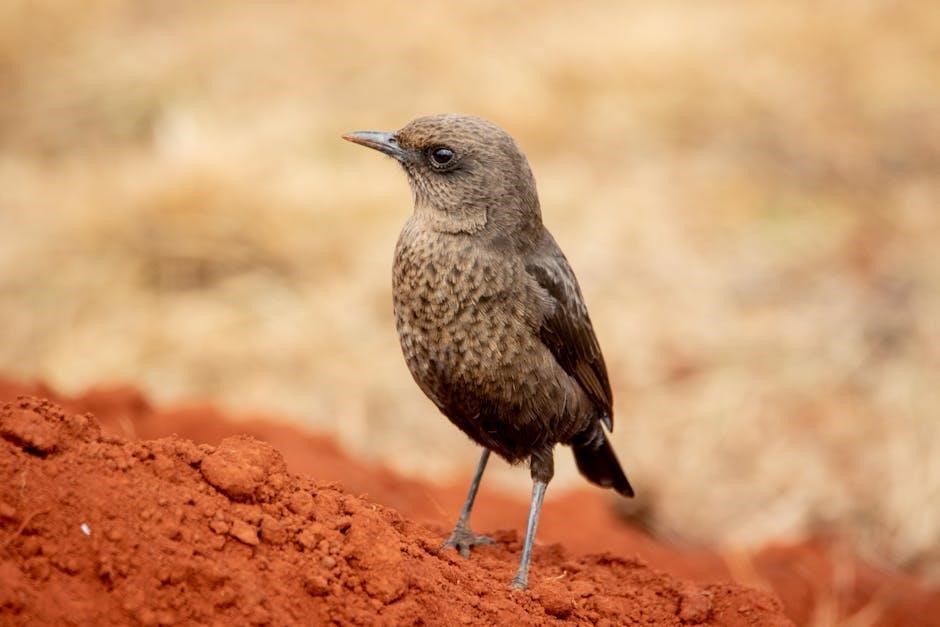
Waterfowl of Illinois
Illinois’ wetlands and waterways support diverse waterfowl, including Mallards, Canada Geese, Wood Ducks, and Blue-winged Teal, offering exciting birding opportunities.
Mallard
The Mallard (Anas platyrhynchos) is a familiar and widespread duck found throughout Illinois. Recognized for its distinctive plumage, the male boasts a vibrant green head, a yellow bill, and a gray body, while the female is mottled brown. These dabbling ducks frequent marshes, ponds, and rivers, often seen foraging for seeds, aquatic plants, and invertebrates.
Mallards are adaptable and readily found in both rural and urban environments. They are known for their loud quacking calls and are often observed in pairs or small flocks. Breeding season typically occurs in the spring, with females nesting on the ground near water. Illinois provides crucial breeding and wintering habitat for these adaptable waterfowl, making them a common sight for birdwatchers.
Canada Goose
The Canada Goose (Branta canadensis) is a large, easily recognizable waterfowl species common throughout Illinois. Characterized by its black head and neck, white cheek patches, and brown body, the Canada Goose is a familiar sight in parks, fields, and near bodies of water. These geese are highly adaptable and often congregate in large flocks.
Canada Geese are primarily herbivores, feeding on grasses, grains, and aquatic vegetation. They are known for their distinctive honking calls and their V-shaped migratory formations. Breeding occurs in the spring, with nests built on the ground near water. Illinois serves as an important migratory stopover and breeding ground for these iconic birds, making them a frequent observation for Illinois birders.
Wood Duck
The Wood Duck (Aix sponsa) is a strikingly beautiful waterfowl species found in Illinois’ wooded swamps, marshes, and along rivers. Males boast iridescent plumage with a crested head, vibrant green and purple hues, and distinctive white markings. Females are more subdued, with a gray-brown body and a white teardrop-shaped patch around the eye.
Wood Ducks are cavity nesters, often utilizing tree hollows near water. They are agile fliers, capable of maneuvering through dense forests. Their diet consists of seeds, acorns, insects, and other aquatic invertebrates. Observing a Wood Duck is a treat for birdwatchers, as their vibrant colors and unique behavior make them a standout species within Illinois’ diverse waterfowl population.
Blue-winged Teal
The Blue-winged Teal (Spatula discors) is a small, agile duck commonly found in Illinois wetlands, marshes, and shallow lakes during migration and breeding seasons. These dabbling ducks are recognized by the prominent blue patch on their wings – a feature visible in flight. Males exhibit a gray-blue head, white crescent on the face, and a reddish-brown body, while females are a mottled brown.
Blue-winged Teals are early migrants, often arriving in Illinois in March and departing by fall. They feed on aquatic insects, seeds, and vegetation. Their rapid flight and preference for shallow water make them a dynamic sight. Observing these ducks adds to the richness of Illinois’ diverse waterfowl habitats, especially during peak migration periods.
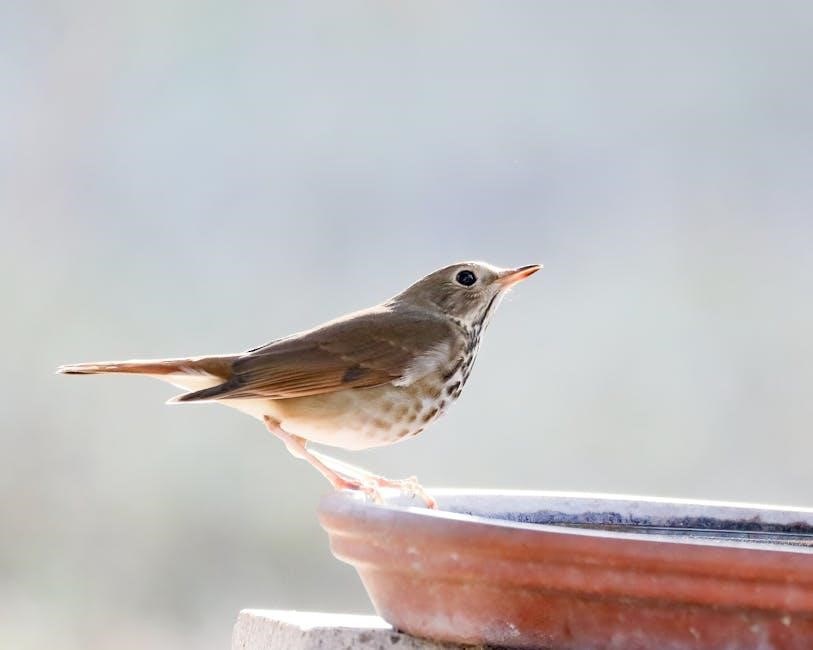
Songbirds of Illinois
Illinois provides habitat for a vibrant array of songbirds, offering delightful melodies and colorful displays throughout the year in forests and gardens.
Eastern Bluebird
Eastern Bluebirds are a cherished sight in Illinois, known for their vibrant blue plumage on the males and softer blue-gray on the females. These captivating songbirds inhabit open woodlands, orchards, and fields, often seen perched on fences or wires. They primarily consume insects during breeding season, switching to berries and fruits in the fall and winter.
Identifying features include a rusty-red breast, a white belly, and a relatively short bill. Their song is a series of soft, warbling notes. Bluebirds are cavity nesters, frequently utilizing birdhouses provided by humans. Conservation efforts have helped restore their populations after facing declines due to habitat loss and competition for nesting sites. Spotting these beautiful birds brings joy to many Illinois residents.
Scarlet Tanager
Scarlet Tanagers are striking summer residents of Illinois woodlands, instantly recognizable by the male’s brilliant scarlet body and jet-black wings and tail. Females exhibit a yellowish-green plumage, providing excellent camouflage within the leafy canopy. These birds prefer mature deciduous forests, where they forage for insects high in the trees.
Their song is a robin-like warble, often described as a short, buzzy phrase. Scarlet Tanagers are neotropical migrants, spending their winters in South America. Habitat loss in both breeding and wintering grounds poses a threat to their populations. Observing a male Scarlet Tanager is a memorable experience for any Illinois birder, a flash of red amidst the green.
American Goldfinch
American Goldfinches are cheerful, small finches common year-round in Illinois, often seen in fields and gardens. Breeding males display a vibrant lemon-yellow body with a black cap and wings, while females are a duller olive-yellow. During winter, both sexes adopt a more muted, olive-brown coloration. They are known for their undulating flight pattern, resembling a bouncing gold streak.
These birds are strict vegetarians, primarily feeding on seeds, especially thistle and sunflower. They build intricately woven nests using plant fibers and spiderwebs. American Goldfinches are late nesters, waiting until thistle plants are seeding. Their cheerful “po-ta-to-chip” call is a familiar sound throughout Illinois.
White-throated Sparrow
White-throated Sparrows are common migratory birds visiting Illinois during the fall, winter, and spring. They are easily recognized by their striking white throat patch, contrasted by a black head cap and bright white eyebrow stripe. Two color morphs exist: one with a white stripe and another with a tan stripe above the eye, influencing their social interactions.
These sparrows prefer dense shrubbery and woodland edges, foraging on the ground for seeds and insects. Their song is a clear, whistled phrase often described as “Old Sam Peabody, Peabody, Peabody.” White-throated Sparrows are often found scratching in leaf litter, searching for food, and are a welcome sight for birders throughout Illinois during cooler months.
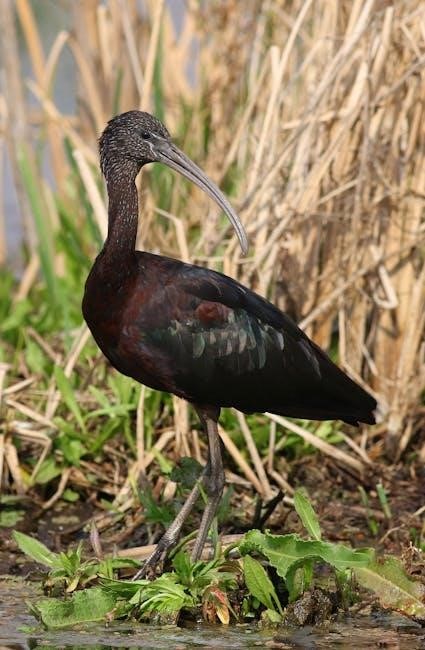
Rare and Notable Birds of Illinois
Illinois hosts several rare avian species, including the Cerulean and Prothonotary Warblers, requiring dedicated observation and contributing to ongoing conservation efforts.
Cerulean Warbler
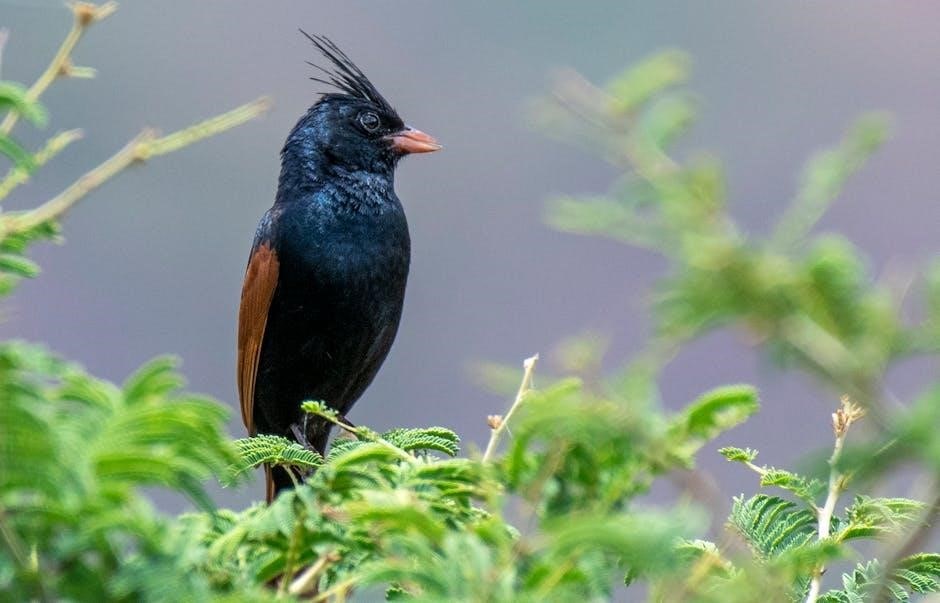
The Cerulean Warbler is a strikingly beautiful, yet increasingly rare, songbird found in Illinois during the breeding season. Identified by its vibrant cerulean blue upperparts and white belly, this small warbler prefers mature forests with a dense canopy.
Males exhibit a distinctive, complex song often described as a rising and falling series of phrases. Habitat loss and fragmentation are major threats to this species, making its presence in Illinois particularly noteworthy. Observing a Cerulean Warbler is considered a special event for birders, highlighting the importance of forest conservation. They arrive in Illinois in spring, typically between late April and early May, and depart for their wintering grounds in South America by fall.
Prothonotary Warbler
The Prothonotary Warbler, a stunningly bright yellow songbird, adds a splash of color to Illinois’s bottomland hardwood forests and swampy areas. Often called the “swamp canary,” this warbler nests in cavities, frequently utilizing abandoned woodpecker holes or nest boxes near water.
Its vibrant plumage and preference for wetland habitats make it easily distinguishable. The male boasts a brilliant yellow head and body, while the female is a slightly duller yellow. They arrive in Illinois during spring migration, typically in April, and depart by fall. Conservation efforts focused on preserving bottomland forests are crucial for the Prothonotary Warbler’s continued presence in Illinois, as habitat loss poses a significant threat.
Resources for Bird Identification
The Illinois Ornithological Records Committee (IORC) meticulously reviews bird observations, while numerous online databases and apps aid in accurate species identification.
Illinois Ornithological Records Committee (IORC)
Established in 1986, the Illinois Ornithological Records Committee (IORC) plays a crucial role in maintaining the official state bird list. This dedicated group rigorously evaluates bird records submitted by observers throughout Illinois. Their process involves careful examination of various forms of evidence, ensuring accuracy and scientific validity.
Acceptable evidence for record review includes identifiable specimens, clear photographs, digital images, video recordings, and audio tape recordings. Detailed written documentation supporting observations is also considered. The IORC’s thorough approach guarantees that only well-documented sightings are added to the official Illinois bird list, currently encompassing 455 species and two species pairs as of March 2024. This commitment to precision benefits both seasoned birders and those new to the hobby.
Online Bird Databases and Apps
Numerous digital resources are available to aid in Illinois bird identification, supplementing traditional field guides. Online bird databases, like those maintained by Cornell University’s All About Birds and the Audubon Society, offer comprehensive species accounts, including detailed descriptions, range maps, and audio recordings of songs and calls.
Mobile applications, such as Merlin Bird ID by Cornell Lab, utilize image and sound recognition to assist with quick identification in the field. These apps often feature customizable checklists for specific regions, like Illinois, and allow users to log sightings and contribute to citizen science initiatives. Utilizing these tools enhances the birding experience, providing accessible information for both novice and experienced birdwatchers seeking to explore Illinois’s diverse avian population.