
medline wound care pocket guide
Medline Wound Care Pocket Guide: A Comprehensive Plan
Medline streamlines long-term care with enhanced wound processes, offering guidelines, education, and a portfolio of dressings, cleansers, and adhesives for optimal healing.
Medline’s approach to wound management centers on streamlining processes within long-term care facilities. Effective wound care demands a standardized system, encompassing product selection, consistent practices, and comprehensive staff education. This pocket guide supports evidence-based clinical guidelines, bridging knowledge gaps and fostering caregiver confidence.
Prioritizing accurate assessment, appropriate cleansing, and optimal dressing selection is crucial. Medline provides resources to minimize care variation and promote healing, ultimately improving patient outcomes and quality of life through focused wound & skin care.
Understanding Wound Types
Effective Medline wound care begins with accurate identification of the wound’s etiology. Common types include pressure ulcers (bedsores), venous leg ulcers, and diabetic foot ulcers, each requiring a tailored approach. Surgical wounds also necessitate specific protocols for optimal healing.
Understanding the underlying cause informs product selection and treatment strategies. Medline’s resources support clinicians in differentiating wound types and implementing appropriate care plans, leading to improved patient outcomes and reduced complications.
Pressure Ulcers (Bedsores)
Medline recognizes pressure ulcers as localized injury to skin and underlying tissue, often resulting from sustained pressure. Prevention is key, utilizing pressure redistribution techniques and diligent skin inspection.
When ulcers develop, Medline offers specialized dressings, skin protectants, and heel protectors to promote healing and prevent further breakdown. Comprehensive assessment, coupled with appropriate Medline products, supports effective management and improved patient comfort.
Venous Leg Ulcers
Medline addresses venous leg ulcers – open sores caused by poor circulation – with a focus on compression therapy and advanced wound dressings. Effective management requires addressing underlying venous insufficiency to improve blood flow.
Medline’s portfolio includes compression systems and specialized dressings designed to manage exudate and promote granulation tissue formation. Consistent monitoring, coupled with appropriate Medline products, aids in ulcer reduction and prevention of recurrence, enhancing patient mobility.
Diabetic Foot Ulcers
Medline provides solutions for diabetic foot ulcers, often stemming from neuropathy and poor circulation. These ulcers require meticulous care to prevent infection and amputation. Medline’s offerings include advanced wound dressings that maintain a moist wound environment, crucial for healing.
Offloading pressure, controlling blood sugar, and utilizing appropriate Medline dressings are key. Specialized products aid in debridement and infection control, supporting optimal healing outcomes and improving patients’ quality of life. Regular assessment is vital.
Surgical Wounds
Medline offers a comprehensive range of products for managing surgical wounds, from initial dressing applications to closure and post-operative care. Maintaining a clean, protected environment is paramount to prevent surgical site infections (SSIs). Medline’s gauze and absorbent dressings effectively manage exudate.
Specialty dressings promote optimal healing, while skin protectants safeguard surrounding tissue. Proper wound assessment, documented with photography, guides product selection. Medline supports standardized protocols, minimizing variation and ensuring consistent, high-quality surgical wound care.
Initial Wound Assessment
Medline emphasizes a thorough initial wound assessment as foundational to effective care. This includes a detailed wound description – noting location, size, depth, and tissue type. Wound measurement & photography are crucial for tracking progress and documenting changes over time.

A comprehensive patient history & risk factors evaluation identifies underlying conditions impacting healing. Accurate record-keeping, guided by Medline’s resources, ensures continuity of care and supports informed product selection for optimal outcomes.
Detailed Wound Description
Medline’s pocket guide stresses meticulous documentation. Record the wound’s precise location, dimensions (length, width, depth), and characteristics. Note tissue types present – granulation, slough, or eschar – and any signs of infection like redness or increased pain.
Describe the wound bed and periwound skin condition. A comprehensive description, supported by Medline’s resources, forms the baseline for monitoring healing progress and tailoring appropriate interventions.
Wound Measurement & Photography
Medline emphasizes regular wound measurement as crucial for tracking healing. Utilize a standardized tool for accurate length, width, and depth assessments. Consistent photography, with a ruler for scale, provides a visual record of changes over time.
Document measurements and photographs with each assessment. This detailed record, guided by Medline’s protocols, supports informed clinical decision-making and demonstrates progress to stakeholders.
Patient History & Risk Factors
A comprehensive patient history is vital, according to Medline guidelines. Identify pre-existing conditions like diabetes, vascular disease, or nutritional deficiencies impacting wound healing. Assess risk factors – mobility limitations, pressure exposure, and skin integrity – to proactively prevent complications.
Document relevant medical history, medications, and allergies. Understanding these factors, as Medline advocates, allows for a tailored wound care plan addressing individual patient needs and optimizing outcomes.
Principles of Wound Care
Medline emphasizes core principles: meticulous wound cleansing with normal saline or mild soap, appropriate debridement to remove non-viable tissue, and maintaining optimal moisture balance. Selecting the correct dressing is crucial, guided by wound characteristics.

These principles, as outlined in Medline’s guidelines, promote a conducive healing environment. Consistent application of these techniques minimizes infection risk and accelerates tissue regeneration, leading to improved patient outcomes and reduced healthcare costs.
Wound Cleansing Techniques
Medline advocates for gentle yet effective wound cleansing using normal saline solution or mild soapy water. This removes debris and bacteria without damaging healthy tissue. Avoid harsh antiseptics, which can impede healing.
Soak gauze or cloths in the chosen solution and apply using a gentle circular motion, working from the wound center outwards. Proper cleansing prepares the wound bed for optimal dressing adherence and promotes a favorable environment for tissue repair, per Medline’s guidelines.
Debridement Methods
Medline’s comprehensive portfolio includes products supporting various debridement methods, crucial for removing non-viable tissue and promoting healing. While specific techniques aren’t detailed here, understanding the importance of debridement is key.
Removing necrotic tissue encourages a healthy granulation tissue bed to form. Proper debridement, guided by clinical assessment, prepares the wound for optimal dressing selection and accelerates the healing process. Consult relevant resources for detailed procedural guidance.
Moisture Balance & Dressing Selection
Medline offers an extensive range of dressings to achieve optimal wound moisture balance – vital for promoting autolytic debridement and epithelialization. Gauze bandages and specialty dressings cater to diverse wound types and exudate levels.
Maintaining a moist wound environment, without maceration, is paramount. Careful assessment guides product selection, ensuring the chosen dressing effectively manages exudate, protects the wound bed, and supports the healing cascade.
Medline Wound Care Products Overview
Medline provides a comprehensive portfolio designed to address varied wound care needs. This includes traditional gauze & absorbent dressings for basic coverage, alongside innovative specialty wound dressings for complex cases.
Furthermore, skin protectants & barriers safeguard peri-wound skin, while a wide selection of tapes & adhesives ensure secure dressing application. This extensive range empowers clinicians to tailor treatment plans effectively.
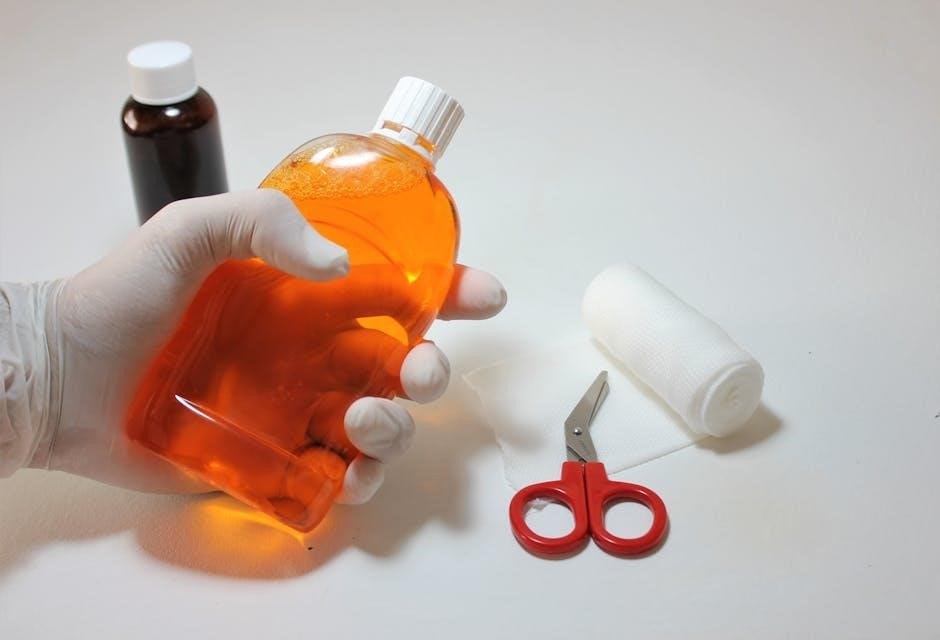
Gauze & Absorbent Dressings
Medline offers a robust selection of gauze and absorbent dressings, including both non-sterile 4-ply non-woven gauzes and sterile absorbent dressing pads. These foundational products provide essential wound coverage and absorption for a variety of wound types.
They are cost-effective and versatile, suitable for initial wound care and as components within more complex dressing regimens. Medline’s gauze options cater to diverse clinical needs and preferences.
Specialty Wound Dressings
Medline provides a comprehensive portfolio of advanced wound care dressings designed to promote optimal healing in complex wound situations. This includes options beyond traditional gauze, catering to specific wound characteristics and needs.
These specialty dressings support moisture balance, offer unique properties like antimicrobial action, and contribute to faster healing times. Medline ensures clinicians have access to innovative solutions for challenging wounds.
Skin Protectants & Barriers
Medline’s skin protectants and barriers are crucial for preventative wound care, safeguarding vulnerable skin from damage and breakdown. These products create a protective layer, minimizing friction, shear, and moisture—key factors in pressure ulcer development.
Options range from creams and ointments to film dressings, offering versatile solutions for at-risk areas like heels and sacrums. Proactive skin protection is a cornerstone of Medline’s comprehensive approach.
Tapes & Adhesives
Medline provides a diverse selection of tapes and adhesives essential for secure dressing fixation and skin closure. These range from hypoallergenic paper tapes for sensitive skin to durable cloth tapes for robust support, ensuring dressings remain in place during patient activity.
Adhesive options include acrylic, silicone, and hydrocolloid formulations, catering to varying skin types and wound conditions. Proper tape selection minimizes skin trauma during removal.
Standardizing Wound Care Protocols
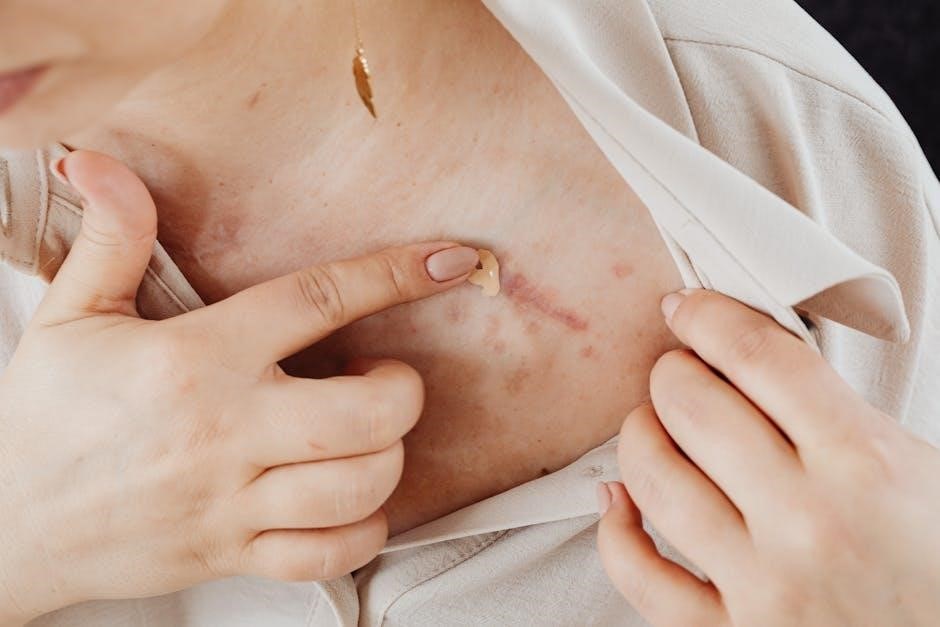
Medline emphasizes standardizing wound care through customized protocols, minimizing variation in practice across facilities. Implementing evidence-based clinical guidelines bridges education gaps, reduces costs, and boosts caregiver confidence. A tailored approach to product selection ensures appropriate resources are utilized consistently.
This standardization improves patient outcomes and streamlines the wound care process, fostering a higher quality of care and efficient resource management.
Implementing Clinical Guidelines
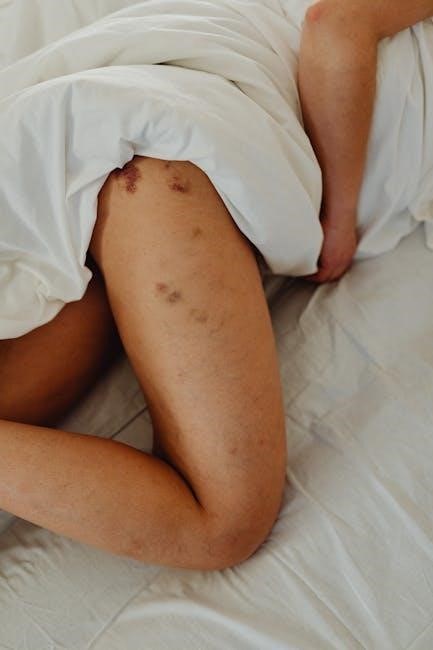
Medline supports implementing evidence-based clinical guidelines to elevate wound care standards. These guidelines address crucial aspects like wound cleansing with normal saline or mild soap, and detailed documentation with initial photographs and regular updates.
Consistent application of these guidelines reduces care variation, limits costs, and enhances caregiver confidence, ultimately promoting optimal wound healing and patient well-being.
Minimizing Care Variation
Medline emphasizes minimizing care variation across facilities through standardized protocols and a customized approach to product selection. This ensures consistent, high-quality wound care for all patients. Implementing clear guidelines, supported by ongoing education, bridges knowledge gaps among caregivers.
Reducing inconsistencies improves patient outcomes, streamlines processes, and fosters a more efficient and reliable wound management system throughout the care continuum.
Customized Approach to Product Selection
Medline offers clinical support to determine the ideal products for each unique wound case. Their extensive portfolio – including gauze, specialty dressings, tapes, and adhesives – allows for tailored treatment plans. This isn’t a ‘one-size-fits-all’ approach; it’s about matching the right product to the specific wound characteristics.
A thoughtful selection process, guided by expert resources, optimizes healing and improves patient comfort, ultimately enhancing care quality.
Advanced Wound Care Techniques
Medline supports advanced therapies like Negative Pressure Wound Therapy (NPWT) and Compression Therapy to accelerate healing for complex wounds. While Hyperbaric Oxygen Therapy (HBOT) requires referral, Medline provides resources to facilitate appropriate patient selection.
These techniques, when integrated into a comprehensive plan, offer significant benefits for challenging wound cases, improving outcomes and quality of life.

Negative Pressure Wound Therapy (NPWT)
Medline offers solutions supporting Negative Pressure Wound Therapy (NPWT), a technique utilizing controlled negative pressure to promote wound healing. NPWT assists in reducing edema, enhancing blood flow, and removing exudate, creating an optimal environment for tissue regeneration.
Proper application and monitoring are crucial; Medline provides resources to aid clinicians in maximizing the benefits of this advanced wound care modality.
Compression Therapy
Medline’s range of compression solutions are vital for managing venous leg ulcers and edema. Compression therapy enhances venous return, reduces swelling, and supports wound closure. Consistent application, guided by clinical assessment, is key to successful outcomes.
Medline provides various compression levels and formats, empowering clinicians to tailor treatment plans to individual patient needs and promote effective wound healing.
Hyperbaric Oxygen Therapy (HBOT) ⏤ Referral Needed
Medline recognizes Hyperbaric Oxygen Therapy (HBOT) as an advanced wound care modality, but emphasizes it requires specialist referral. HBOT increases oxygen levels in tissues, promoting angiogenesis and fighting infection in chronic, non-healing wounds.
Due to the specialized nature of HBOT, Medline supports clinicians in identifying appropriate candidates and facilitating timely referrals to qualified HBOT centers for comprehensive care.
Documentation & Legal Considerations
Medline emphasizes accurate and timely record-keeping as crucial for legal compliance and continuity of care. Detailed initial wound assessments, including photographs, are essential, with regular updates documenting changes.
Maintaining comprehensive records protects both patients and providers, demonstrating adherence to evidence-based guidelines and regulatory requirements. Medline supports facilities in meeting quality of care standards from local, state, and federal agencies.
Accurate & Timely Record Keeping
Medline advocates for meticulous documentation, beginning with a detailed initial wound description and photographic evidence. Regular updates are vital, reflecting any alterations in wound characteristics over time.
This practice ensures continuity of care, facilitates effective communication among healthcare professionals, and provides a robust legal record. Precise records demonstrate adherence to established clinical guidelines and support appropriate reimbursement claims, bolstering overall facility compliance.
Maintaining Continuity of Care
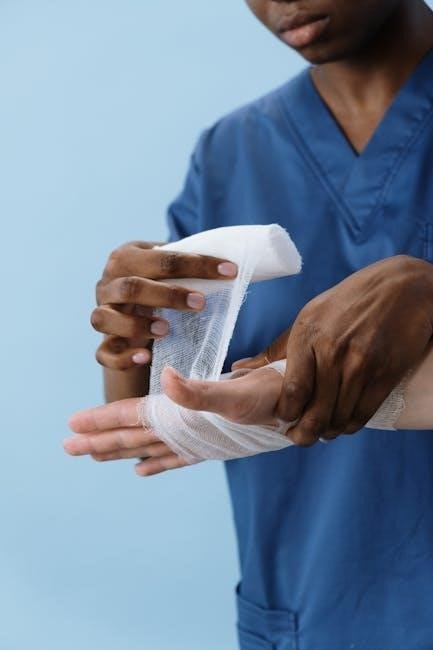
Medline emphasizes that comprehensive documentation is foundational for seamless transitions in patient care. Detailed wound assessments, including photographs and treatment plans, must be readily accessible to all team members.
Consistent application of standardized wound care protocols, supported by Medline’s guidelines, minimizes variation and ensures that patients receive optimal care regardless of who provides it. This collaborative approach fosters better outcomes and patient satisfaction.
Compliance with Regulations
Medline advocates for staying informed about quality of care requirements from local, state, and federal agencies. Accurate and timely record-keeping is crucial for demonstrating adherence to these regulations and ensuring patient safety.
Implementing Medline’s standardized wound care protocols assists facilities in meeting compliance standards. Continuous staff education, facilitated by Medline’s resources, reinforces best practices and minimizes potential legal risks associated with wound management.
Continuing Education & Staff Training
Medline supports comprehensive staff training through wound care courses and workshops, bridging education gaps and increasing caregiver confidence. Staying current with best practices is vital, and Medline provides resources to facilitate this ongoing learning.
Furthermore, Medline emphasizes the importance of educating residents and their families about preventative measures and proper wound care techniques, fostering a collaborative approach to healing and long-term wellness;
Wound Care Courses & Workshops
Medline’s Global Health Initiative offers specialized wound-care courses designed to enhance clinical expertise. These workshops focus on diverse wound types and advanced techniques, equipping staff with the knowledge to deliver optimal patient care.
These educational opportunities address critical areas like assessment, debridement, dressing selection, and preventative strategies, ultimately minimizing care variation and improving overall wound healing outcomes within facilities.
Staying Current with Best Practices
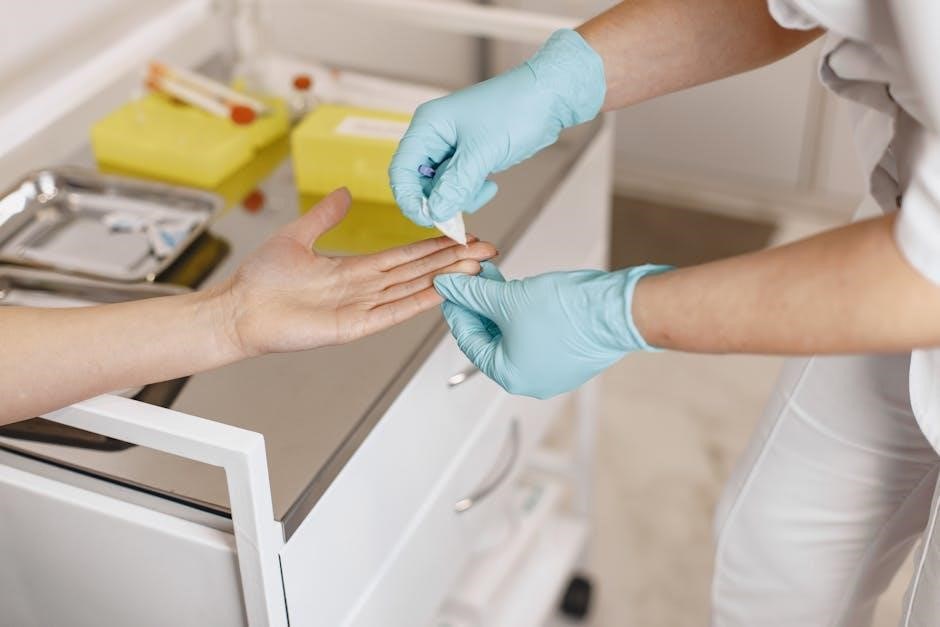
Medline emphasizes the importance of continuous learning in wound care, urging staff to remain updated on evolving standards and evidence-based guidelines. Keeping abreast of quality of care requirements from agencies is crucial.
This includes actively participating in ongoing education, utilizing clinical resources, and embracing new technologies to optimize wound management protocols and ensure consistently high-quality patient outcomes. Prioritizing knowledge ensures best care.
Resident & Family Education
Medline recognizes the vital role of informed residents and families in successful wound healing. Comprehensive education empowers them to actively participate in the care plan, fostering a collaborative approach.
This includes explaining the wound type, treatment regimen, and preventative measures in understandable terms. Open communication builds trust, promotes adherence to care instructions, and ultimately contributes to improved healing outcomes and overall well-being.
Preventative Wound Care Strategies
Medline emphasizes proactive strategies to minimize wound development. Regular skin inspection and thorough risk assessments are crucial for early identification of vulnerable areas. Implementing pressure redistribution techniques, such as specialized mattresses and frequent repositioning, protects skin integrity.
Furthermore, adequate nutritional support is paramount, ensuring sufficient protein and vitamins to facilitate tissue repair and bolster the body’s natural healing capabilities, preventing complications.
Skin Inspection & Risk Assessment
Medline advocates for consistent, systematic skin assessments as a cornerstone of preventative wound care. These inspections should identify areas of redness, swelling, or breakdown, particularly over bony prominences. Comprehensive risk assessments, factoring in mobility, nutrition, and existing conditions, are vital.
Early detection allows for timely intervention, minimizing the likelihood of wound development and promoting optimal patient outcomes through proactive care strategies.
Pressure Redistribution Techniques
Medline emphasizes frequent repositioning – ideally every two hours – to alleviate pressure on vulnerable areas. Utilize supportive devices like specialized mattresses, cushions, and heel protectors (like the HEEL RAISER Pro) to minimize sustained pressure.
Proper lifting and transfer techniques are crucial, avoiding shear and friction. Consistent implementation of these techniques significantly reduces the risk of pressure ulcer development and supports skin integrity.
Nutritional Support for Wound Healing
Medline recognizes optimal nutrition as fundamental to wound healing. Adequate protein intake is essential for tissue repair, alongside sufficient Vitamin C and Zinc, vital for collagen synthesis and immune function.
Hydration plays a critical role in maintaining skin turgor and facilitating nutrient delivery. A balanced diet, potentially supplemented based on individual needs, significantly enhances the body’s natural healing capabilities and supports positive outcomes.