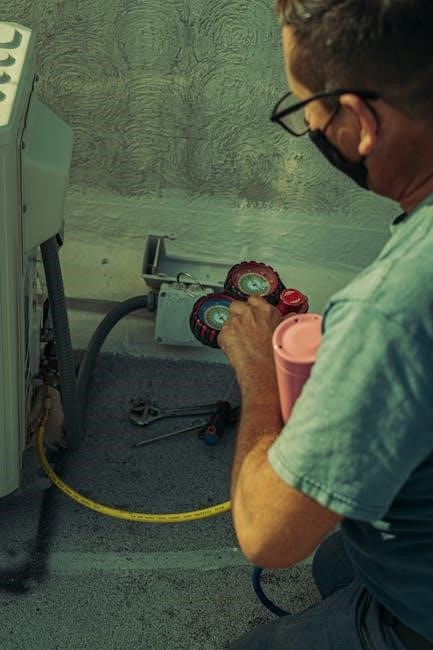
hvac maintenance contract pdf
HVAC Maintenance Contract PDF: A Comprehensive Overview (Updated 12/31/2025)
HVAC contract templates are legally binding agreements outlining maintenance services for a fee, including business details and maintenance specifics.
These agreements ensure routine system checks and proper functioning, often involving monthly retainers for technicians providing consistent service.
What is an HVAC Maintenance Contract?
An HVAC maintenance contract is a crucial, legally binding agreement forged between an HVAC service provider and a client. This document meticulously details the scope of planned maintenance services offered for a predetermined, agreed-upon fee. Essentially, it’s a service agreement ensuring regular upkeep of heating, ventilation, and air conditioning systems.
Typically, an HVAC contract encompasses vital business information, including the contractor’s license number for verification and accountability. It also outlines specific maintenance procedures, schedules, and response times for potential issues. These contracts aren’t just about repairs; they’re about preventative care, aiming to keep systems running efficiently and avoid costly breakdowns. They establish clear expectations for both parties, fostering a transparent and reliable service relationship.
The Importance of a Written HVAC Contract
A written HVAC maintenance contract is paramount for protecting both the service provider and the property owner. It eliminates ambiguity and misunderstandings regarding the services provided, payment terms, and responsibilities of each party. Without a written agreement, disputes can easily arise, leading to legal complications and financial losses.
A detailed contract serves as a clear record of agreed-upon services, ensuring the provider fulfills their obligations and the client receives the expected level of care. It also outlines crucial aspects like response times for emergencies and warranty information. Having a documented contract provides legal recourse if either party fails to uphold their end of the bargain, offering peace of mind and a secure service relationship.
Key Components of an HVAC Maintenance Contract PDF
HVAC contracts require essential details: business licensing, a detailed scope of services, a clear service schedule, and defined response times for emergencies and repairs.
Business Information & Licensing
Crucially, the HVAC maintenance contract PDF must clearly state the full legal names and contact information for both the HVAC service provider and the client. This includes physical addresses, phone numbers, and email addresses for effective communication.
Furthermore, the contract must document the contractor’s license number and verify its current validity. This demonstrates legal authorization to perform HVAC services within the specific jurisdiction. Including proof of insurance – both general liability and worker’s compensation – is also vital, protecting both parties from potential financial risks associated with accidents or damages.
Properly detailing this business and licensing information establishes trust and confirms the provider’s legitimacy, ensuring a legally sound agreement.
Detailed Scope of Maintenance Services
A comprehensive HVAC maintenance contract PDF necessitates a meticulously detailed description of all services included. This section should explicitly outline what tasks will be performed during each scheduled visit, such as filter replacements, coil cleaning, refrigerant level checks, and electrical component inspections.
Specificity is key; avoid vague terms like “general maintenance.” Instead, list each action precisely. The contract should also clarify what is not covered, preventing misunderstandings regarding repairs or component replacements.
Clearly defining the scope of work ensures both the provider and client have aligned expectations, minimizing disputes and fostering a transparent service relationship.
Service Schedule & Frequency
The HVAC maintenance contract PDF must clearly define the service schedule and frequency of visits. Typically, contracts specify routine maintenance twice a year – once before the heating season and once before the cooling season.
However, the frequency can be customized based on the system’s age, usage, and environmental factors. The contract should state the exact dates or timeframes for scheduled appointments, and outline procedures for rescheduling if needed.
Detailing the schedule prevents ambiguity and ensures the system receives consistent preventative care, maximizing efficiency and minimizing potential breakdowns.
Response Times & Emergency Services
A comprehensive HVAC maintenance contract PDF should explicitly address response times for service requests, particularly emergencies. Define “emergency” – complete system failure, no heat/cooling during extreme temperatures – to avoid misunderstandings.
Specify guaranteed response times for different scenarios: same-day for emergencies, within 24-48 hours for urgent issues, and a longer timeframe for routine maintenance.
Outline after-hours or weekend service availability and associated fees. Clearly state if emergency services are included in the monthly retainer or billed separately. This section protects both the client and the provider, setting clear expectations during critical situations.

Pricing and Payment Terms
HVAC contracts detail costs, often using monthly retainers, covering parts and labor, with specified payment methods and potential late fee structures.
Monthly Retainer Fees
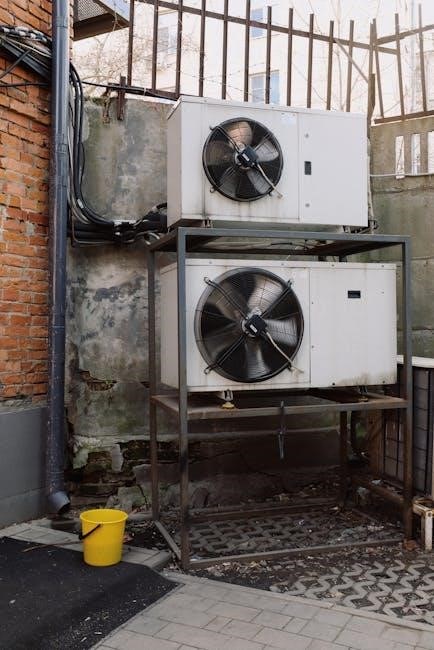
Monthly retainer fees are a common pricing structure within HVAC maintenance contracts, offering predictable costs for consistent service. These fees typically cover routine inspections, preventative maintenance tasks, and often include priority scheduling for service calls. The amount of the retainer varies based on several factors, including the complexity of the HVAC system, the scope of services included, and the geographic location of the property.

It’s crucial to clearly define what the monthly fee encompasses. Does it cover all labor, or are there limitations? Some contracts may offer tiered retainer options, providing different levels of service at varying price points. Transparency regarding these fees is paramount to avoid disputes and ensure customer satisfaction. A well-defined retainer agreement fosters a strong, long-term relationship between the HVAC provider and the client.
Coverage of Parts and Labor
A critical aspect of any HVAC maintenance contract is clearly defining the coverage of both parts and labor. Contracts should explicitly state whether parts are included in the monthly retainer or if they are billed separately. Some contracts may cover only specific parts, like filters and belts, while others offer broader coverage. Labor coverage should also be detailed – is it included for all repairs, or only those resulting from routine maintenance?
Understanding these distinctions is vital. A contract might waive labor costs for diagnostics but charge for the actual repair; Clearly outlining these terms prevents misunderstandings and ensures both parties are aware of their financial responsibilities. Detailed specifications regarding brand and quality of replacement parts should also be included for transparency.
Payment Methods & Late Fees
HVAC maintenance contracts must clearly outline accepted payment methods. Common options include check, credit card, and electronic funds transfer (EFT). The contract should specify where payments should be sent or processed. Equally important is detailing late payment policies. This includes the grace period, if any, and the amount of any late fees assessed.
Transparently stating late fee structures – a fixed amount or a percentage of the outstanding balance – avoids disputes. Some contracts may also include provisions for service interruption due to non-payment. Clearly defined payment terms and late fee policies ensure a smooth financial relationship between the HVAC provider and the client.
Contract Duration & Renewal
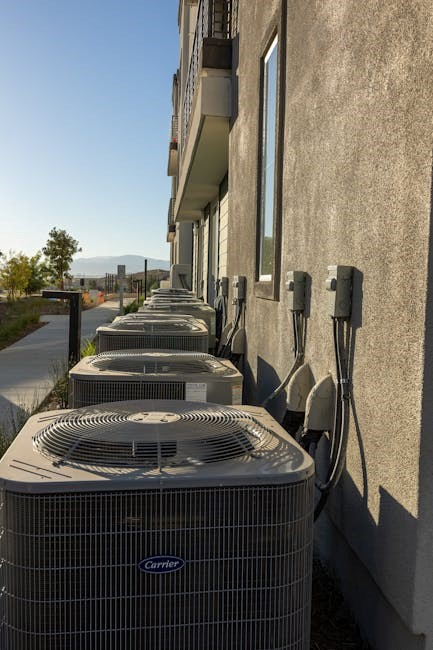
HVAC contracts specify a term length, often annually, with automatic renewal clauses. Cancellation policies detail procedures and potential fees for early termination.
Contract Term Length
HVAC maintenance contract duration typically spans one to five years, though one-year terms are most common, offering flexibility for both parties. The contract should explicitly state the commencement date and the expiration date, leaving no room for ambiguity. Longer terms might offer discounted rates, incentivizing commitment from the customer.
Consideration should be given to the system’s age and expected lifespan when determining the contract length. A newer system may warrant a longer contract, while an older one might benefit from shorter, more frequent reviews. Clearly defining the term length protects both the HVAC provider and the client, establishing a predictable service period and associated obligations.
Automatic Renewal Clauses
HVAC maintenance contracts often include automatic renewal clauses, continuing service beyond the initial term unless proactively cancelled. These clauses typically require written notice – often 30 to 90 days before expiration – to prevent renewal. Transparency is crucial; the clause must be prominently displayed and easily understood within the contract.
Automatic renewal can be convenient, ensuring uninterrupted service, but customers should be aware to avoid unexpected costs. Contracts should detail any price increases upon renewal. State laws regarding automatic renewals vary, so compliance is essential. A well-drafted clause protects both parties, offering continued service while respecting the client’s right to terminate.
Cancellation Policies
HVAC maintenance contract cancellation policies outline the procedures for terminating the agreement before its natural expiration. These policies frequently require written notice, specifying a timeframe – commonly 30 to 60 days – to allow for administrative processing. Some contracts may impose early termination fees, particularly if significant work has been initiated or discounts were applied based on the contract’s duration.
Clear cancellation terms protect both the customer and the provider. The contract should detail how refunds, if any, will be handled for prepaid services. Understanding the cancellation policy prevents disputes and ensures a smooth termination process, maintaining a professional relationship even when ending the agreement.
Legal Considerations & Clauses
HVAC contracts require clauses addressing warranty details, liability, insurance coverage, and a clear dispute resolution process for legal protection.
Warranty Information
Warranty details within an HVAC maintenance contract are crucial for clarifying coverage regarding parts and labor. The contract should explicitly state the manufacturer’s warranty on equipment, outlining its duration and what it covers.
Furthermore, it must specify if the HVAC provider offers any additional warranty on their workmanship, extending beyond the manufacturer’s terms.
Clearly define what voids the warranty, such as improper maintenance or unauthorized repairs.
The contract should also address the process for filing a warranty claim, including required documentation and contact information.

Ambiguity in warranty terms can lead to disputes, so precise language is essential for both parties’ protection.
Liability & Insurance
Liability and insurance clauses are paramount in an HVAC maintenance contract, protecting both the service provider and the property owner. The contract should detail the provider’s liability for damages caused during service, and clearly define limitations of that liability.
Proof of adequate insurance coverage – including general liability and worker’s compensation – is essential, with the provider obligated to maintain it throughout the contract term.
The contract should also address responsibility for pre-existing conditions or issues unrelated to the maintenance work.
Indemnification clauses may be included, outlining who bears the cost of legal claims or damages.
Properly addressing these aspects minimizes risk and ensures financial security for all involved.
Dispute Resolution
A well-defined dispute resolution process is crucial within an HVAC maintenance contract, offering a structured approach to address disagreements. The contract should initially encourage mediation – a neutral third party facilitating a mutually agreeable solution – as a first step.
If mediation fails, the contract may stipulate binding arbitration, where a neutral arbitrator makes a final, enforceable decision.
Specifying the governing law and venue for any legal proceedings is also vital, clarifying jurisdiction in case of litigation.
Clearly outlining procedures for notice of disputes and timelines for resolution promotes efficient handling of conflicts.
A robust dispute resolution clause can prevent costly and time-consuming legal battles.
Creating & Customizing Your HVAC Contract PDF
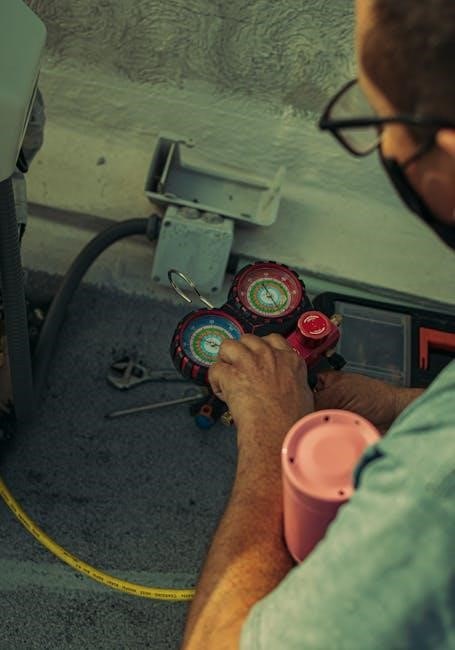
HVAC contract creation utilizes templates, online builders, and customization to meet state requirements, ensuring comprehensive coverage of scope, pricing, and legal compliance.
Using HVAC Contract Templates
HVAC contract templates offer a quick and cost-effective starting point for contractors needing readily available agreements. These pre-designed documents cover essential contract terms, providing a foundation for outlining services, responsibilities, and payment structures.
However, it’s crucial to remember that templates often require manual customization to accurately reflect the specific details of each agreement. Contractors should carefully review and modify the template to align with their business practices, the scope of work, and applicable state laws.
While convenient, relying solely on a generic template without thorough adaptation can lead to ambiguities or omissions, potentially causing disputes down the line. Utilizing a template as a base and tailoring it to each client’s unique needs is the most effective approach.
State-Specific Requirements
HVAC contract requirements vary significantly by state, demanding careful attention to local regulations. Some states mandate specific clauses regarding licensing, insurance, and warranty disclosures within HVAC service agreements.
Understanding these nuances is critical for ensuring contract enforceability and avoiding legal complications. For example, certain states may have specific rules about automatic renewal clauses or cancellation policies.
Contractors must research and incorporate these state-specific provisions into their HVAC maintenance contracts. Utilizing resources like state licensing boards and legal counsel can help ensure full compliance, protecting both the contractor and the client.
Software & Online Builders
Numerous software solutions and online builders simplify HVAC contract creation. These tools offer pre-built templates tailored to HVAC services, streamlining the process and reducing errors.
Features often include customizable clauses for scope of work, pricing, and legal compliance. Some platforms even integrate with e-signature services for convenient document execution.
Online builders can generate drafts exportable to Word or PDF, while specialized software provides robust features like client management and automated scheduling. Utilizing these resources saves time and ensures professional, legally sound HVAC maintenance agreements;
Benefits of Having an HVAC Maintenance Contract
HVAC maintenance contracts deliver preventative care, reducing repairs, extending system lifespan, and improving energy efficiency for optimal performance.
Preventative Maintenance & Reduced Repairs
HVAC maintenance contracts prioritize preventative maintenance, a cornerstone of minimizing costly repairs. Regular, scheduled inspections and tune-ups identify minor issues before they escalate into major, expensive problems. This proactive approach extends the life of your HVAC system, ensuring consistent and reliable operation.
Routine maintenance includes cleaning, lubrication, and filter replacements, all contributing to optimal performance and reduced strain on components. By addressing small concerns promptly, you avoid potential breakdowns, especially during peak seasons when repair services are in high demand and costs surge. A well-maintained system operates more efficiently, lowering energy consumption and saving you money on utility bills. Ultimately, a contract offers peace of mind and protects your investment.
Extended System Lifespan
An HVAC maintenance contract significantly contributes to extending the overall lifespan of your heating and cooling system. Consistent professional care prevents premature wear and tear on vital components, delaying the need for costly replacements. Regular inspections identify and address issues like corrosion, leaks, and electrical faults before they cause irreversible damage.
By adhering to a scheduled maintenance plan, you ensure the system operates under optimal conditions, reducing stress on motors, compressors, and other critical parts. This proactive approach translates to fewer breakdowns and a more reliable system for years to come. Investing in a contract isn’t just about short-term repairs; it’s a long-term strategy for maximizing your HVAC investment.
Improved Energy Efficiency
A well-maintained HVAC system operates with significantly improved energy efficiency, directly impacting your utility bills. Regular maintenance ensures components are clean and functioning optimally, reducing the energy required to heat or cool your space. Dirty filters, clogged coils, and leaky ducts force the system to work harder, consuming more electricity.
HVAC maintenance contracts include services like filter replacements, coil cleaning, and ductwork inspections, all contributing to enhanced efficiency. A properly tuned system delivers consistent temperatures with less energy expenditure. This not only saves you money but also reduces your carbon footprint, making it an environmentally responsible choice.

Finding and Downloading HVAC Contract Templates (PDF)
HVAC contractors can access free, downloadable templates for quick agreements, though customization is needed. Premium options offer more features and compliance.
Free Downloadable Templates
Free downloadable HVAC service agreement templates present a cost-effective and rapid solution for HVAC contractors needing readily available agreements. These templates generally encompass essential contract terms, providing a foundational structure for outlining services and responsibilities. However, it’s crucial to acknowledge that these resources typically necessitate manual tracking and customization to align with specific business needs and local regulations.
While convenient, relying solely on free templates may require significant effort in tailoring the document to accurately reflect the scope of work, pricing details, and legal considerations. Contractors should carefully review and modify these templates to ensure they adequately protect their interests and comply with all applicable laws. Thorough customization is key to avoiding potential disputes or misunderstandings down the line.
Premium Template Options
Premium HVAC contract templates offer a more refined and comprehensive solution compared to free alternatives, often incorporating advanced features and legal safeguards. These options typically include pre-written clauses addressing specific scenarios, such as emergency service protocols, parts coverage, and dispute resolution mechanisms. They often boast a professional design and are crafted with input from legal professionals specializing in HVAC service agreements.
Investing in a premium template can save significant time and effort, reducing the risk of errors or omissions that could lead to legal complications. Many premium options also offer customization tools and ongoing support, ensuring the contract accurately reflects your business practices and complies with state-specific regulations. This proactive approach minimizes potential liabilities and fosters stronger client relationships.

HVAC Contract PDF: Sizing the System
Proper HVAC system sizing is crucial for efficiency and comfort, impacting long-term performance and potentially influencing maintenance needs outlined in your contract PDF. An undersized system struggles to maintain desired temperatures, leading to increased run times and premature wear. Conversely, an oversized system cycles on and off frequently, reducing dehumidification and potentially shortening its lifespan;
A well-defined contract should acknowledge the importance of accurate load calculations, considering factors like square footage, insulation, window efficiency, and local climate. During new installations, or retrofits, the contract may specify the methodology used for sizing, ensuring transparency and accountability. Correct sizing minimizes energy waste and optimizes system longevity, directly impacting maintenance frequency and costs.